For many older adults, the idea of moving into a nursing home can bring up strong feelings about independence, privacy, comfort, and losing control over everyday life. But why do some people feel so strongly that they would rather remain at home?
This article breaks down 7 common reasons older adults may resist nursing-home care, from wanting to stay in familiar surroundings to concerns about routines, privacy, finances, and personal choice. If you’re wondering what may really be behind that decision, you’re in the right place.
1. They Want to Keep Their Independence
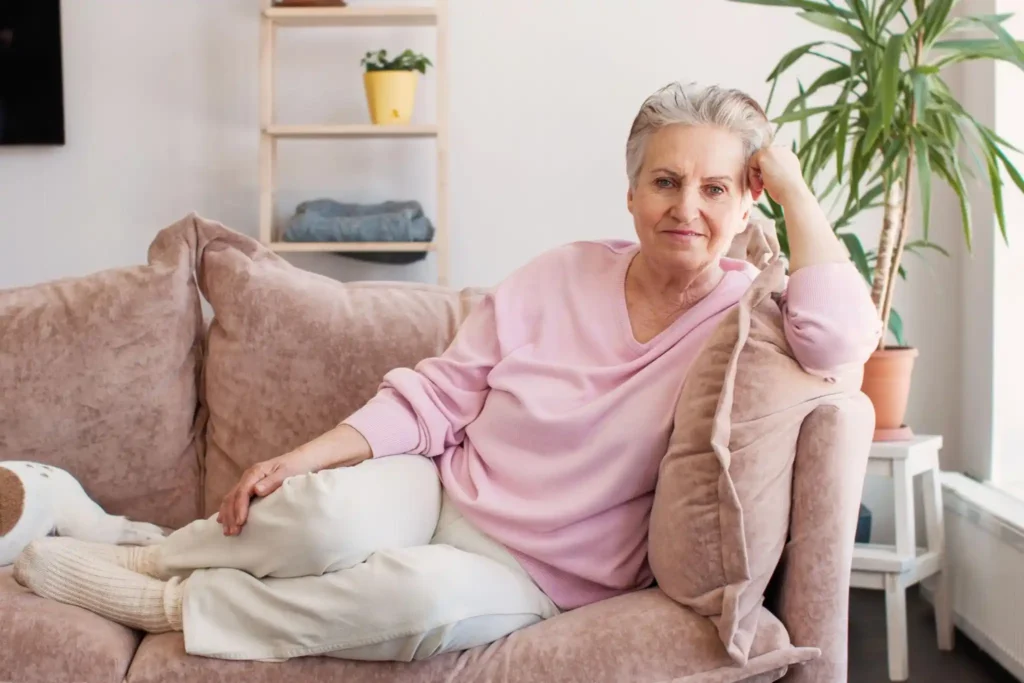
One of the biggest reasons an older adult may resist moving into a nursing home is the desire to remain independent.
After decades of making their own decisions, managing their own household, and choosing how to spend each day, the idea of having someone else determine when they eat, sleep, bathe, or participate in activities can feel uncomfortable.
Even when a nursing home provides excellent care, the change from making your own choices to following a structured care routine can be emotionally difficult.
For some seniors, staying at home represents much more than a physical location. It represents control over their own life.
They may want to wake up when they choose, prepare their favorite breakfast, watch television in their own chair, or simply decide how they spend an ordinary afternoon.
That sense of autonomy can be incredibly meaningful.
2. Their Home Holds Years of Memories
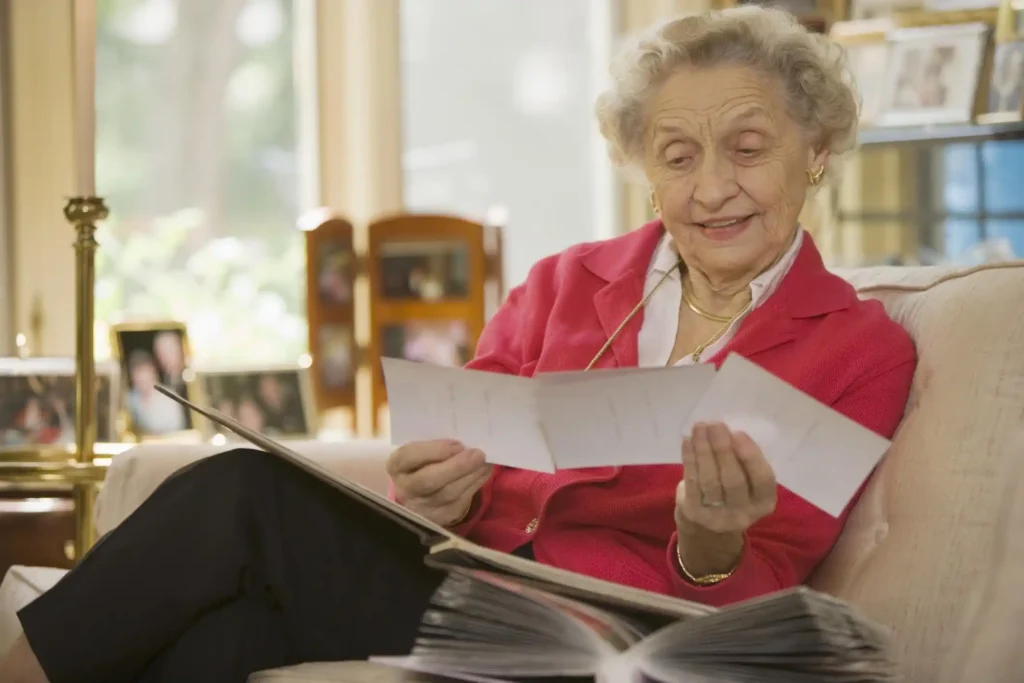
A house can become deeply connected to a person’s identity.
The kitchen where family meals were prepared, the chair where they read every morning, the garden they cared for, and the photographs hanging on the walls can all carry decades of memories.
Leaving that environment can feel like losing a piece of their history.
This is especially true when someone has lived in the same home for many years. The rooms may be familiar enough that they can move around without thinking about it. They know where everything belongs, which window gets the morning sunlight, and what sounds normally come from the neighborhood.
A nursing facility may be comfortable, but it cannot completely recreate that sense of familiarity.
For an older adult, familiar surroundings can provide emotional comfort during a period when many other things may already be changing.
Pro Tip
When discussing senior-care options with an older family member, don’t focus only on what they cannot do anymore. Ask what parts of their current lifestyle they most want to preserve. Those answers can help the family find a care arrangement that protects both safety and independence.
3. They Worry About Losing Their Privacy

Privacy can become an even bigger concern when someone imagines living in a residential care environment.
At home, an older adult generally has control over when they close the door, who visits, where they sit, and how they spend their private time.
Moving into a care facility can introduce a very different environment, with caregivers, staff members, roommates in some settings, scheduled activities, and other residents nearby.
Even when those arrangements are designed to provide support, someone who strongly values personal space may find the adjustment challenging.
They may worry about having less time alone, sharing certain spaces, or feeling as though other people are constantly aware of their daily routine.
For some older adults, the thought of giving up personal privacy can be just as concerning as the medical or financial aspects of moving.
4. They Don’t Want Someone Else Controlling Their Daily Routine

Another major concern is the feeling that everyday life may no longer happen on their own terms.
At home, someone might decide to sleep late on Sunday, have breakfast at 10 a.m., take an afternoon nap, skip television and work in the garden, or spontaneously invite a friend over.
A structured care environment can involve schedules for meals, medications, appointments, activities, and personal care.
Those routines can be extremely helpful for people who need consistent support, but they can also feel restrictive to someone who is still capable of managing many parts of their daily life independently.
The issue isn’t necessarily that the person doesn’t want help.
Sometimes, they simply want help without feeling like they have surrendered control.
| ❌ Myth | ✅ Fact |
|---|---|
| Every older adult who refuses a nursing home is being unreasonable. | Resistance may come from legitimate concerns about independence, privacy, familiarity, or personal preferences. |
| Living at home always means an older person is completely independent. | Someone can need substantial support while still strongly preferring to remain at home. |
| A nursing home is the only option when an older adult needs help. | Depending on individual needs, other arrangements may include in-home care, assisted living, adult day programs, or family support. |
| Moving into a care facility automatically means losing all independence. | The amount of independence varies greatly by the person, facility, and level of care provided. |
| The older person’s opinion doesn’t matter once they need care. | Their preferences and values are important parts of discussing an appropriate care plan. |
5. They Fear Becoming Dependent on Other People

For some seniors, the hardest part of aging isn’t getting older itself.
It’s the possibility of becoming dependent on someone else for things they have done for themselves their entire lives.
Paying bills. Preparing meals. Getting dressed. Cleaning the house. Going shopping. Taking care of the garden.
When those everyday responsibilities begin requiring assistance, an older person may feel frustrated, embarrassed, or afraid that their independence is disappearing.
That fear can make the idea of moving into a nursing home especially difficult.
Sometimes the statement “I will never go into a nursing home” is really expressing a deeper concern:
“I don’t want to stop being the person who makes decisions about my own life.”
Understanding that difference can completely change the way families approach the conversation.
6. They Are Afraid of Feeling Like a Burden

Some older adults worry that their changing needs will become too much for the people they love.
They may notice that their children are working, raising families, managing households, and dealing with responsibilities of their own. Asking them for more help can therefore create feelings of guilt.
An older parent might say they don’t want to move into a nursing home because they want to stay home—but at the same time, they may feel uncomfortable asking their family for constant assistance.
This can create a difficult emotional conflict.
They want to remain independent, but they also don’t want their children to feel responsible for every part of their care.
That’s why conversations about aging and senior care often need to involve more than simply asking, “Do you want to move?”
A better conversation explores what kind of help the person actually needs, what they are comfortable accepting, and what their family can realistically provide.
7. They Want to Stay Close to the People and Community They Know
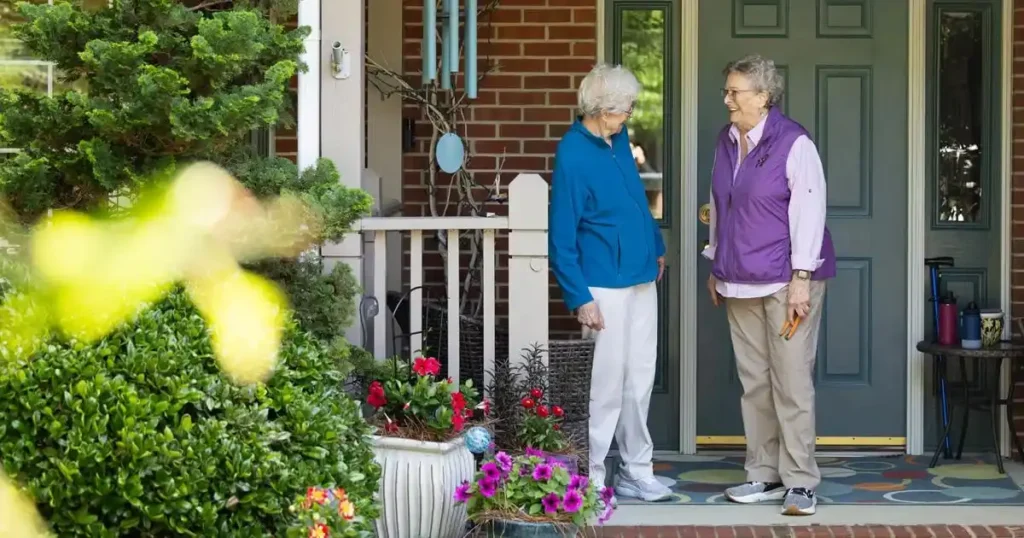
For many older adults, staying at home isn’t only about the house itself. It’s also about the people and community that surround it.
After living somewhere for decades, a person may have neighbors they’ve known for years, favorite local stores, familiar doctors, nearby friends, and family members who can easily visit. Those relationships can become an important part of daily life.
Moving to a nursing home can mean leaving that familiar social environment behind. Even if the new facility has activities and other residents, it may take time to develop the same sense of belonging.
Family visits can also feel different when an older adult is no longer living in the neighborhood where everyone is accustomed to seeing them.
For someone who values familiar relationships, the thought of starting over somewhere else can be emotionally difficult.
What This Really Means
Saying “I never want to go into a nursing home” doesn’t necessarily mean an older adult will never need professional care.
It may simply mean that they have strong preferences about where and how they want to receive that care.
For one person, remaining at home with occasional assistance may be the ideal arrangement. Another person may eventually feel more comfortable in assisted living or a skilled-care setting. Someone else may need a higher level of medical support that makes a residential facility the safest option.
The important thing is not to treat the decision as an argument that one side has to win.
Instead, families can talk early about what matters most to the older adult: independence, privacy, familiar surroundings, social connections, finances, medical needs, and the amount of help they would be comfortable receiving.
That conversation can make future decisions much less stressful.
A Better Way to Approach the Conversation
Rather than asking only:
“Would you ever live in a nursing home?”
try questions such as:
- What would make you feel most comfortable if you needed more help?
- Which parts of your current routine are most important to you?
- What kind of assistance would you be willing to accept at home?
- What concerns you most about moving somewhere else?
- Who would you want involved in future care decisions?
These questions give an older adult room to explain the reason behind their preference rather than simply answering yes or no.
And that distinction matters.
A person may strongly dislike the idea of a nursing home but still be open to having a home health aide, family member, meal service, transportation assistance, or another form of support.
The goal is to understand the person—not simply convince them.
The Bottom Line
There are many reasons an older adult may say they never want to enter a nursing home. Independence, familiar surroundings, privacy, control over daily routines, fear of dependence, concern about burdening family, and strong community connections can all play a role.
But the statement shouldn’t automatically be interpreted as stubbornness or refusal to accept help.
Often, it is a person’s way of saying that they want their wishes, dignity, and identity to remain part of the conversation as they age.
Good planning allows families to respect those wishes while also being realistic about changing needs. The best care arrangement is ultimately the one that balances safety, health, comfort, personal choice, and quality of life.