Reaching your 80s is a remarkable milestone, but staying healthy during these years often depends on more than just age alone. While growing older naturally brings physical changes, certain health and lifestyle factors can have a much bigger impact on quality of life and longevity.
In this article, you’ll discover four common reasons that can make life after 80 more challenging—and, more importantly, what older adults and their families can do to support healthier aging.
1. Chronic Health Conditions Become Harder to Manage
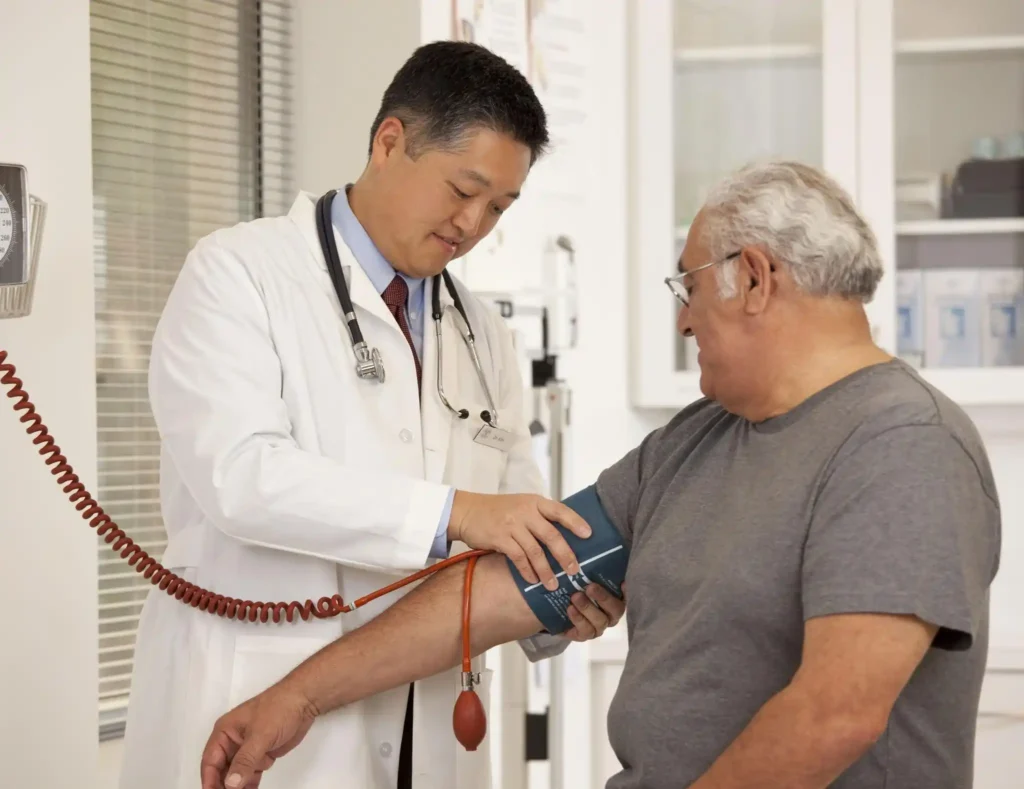
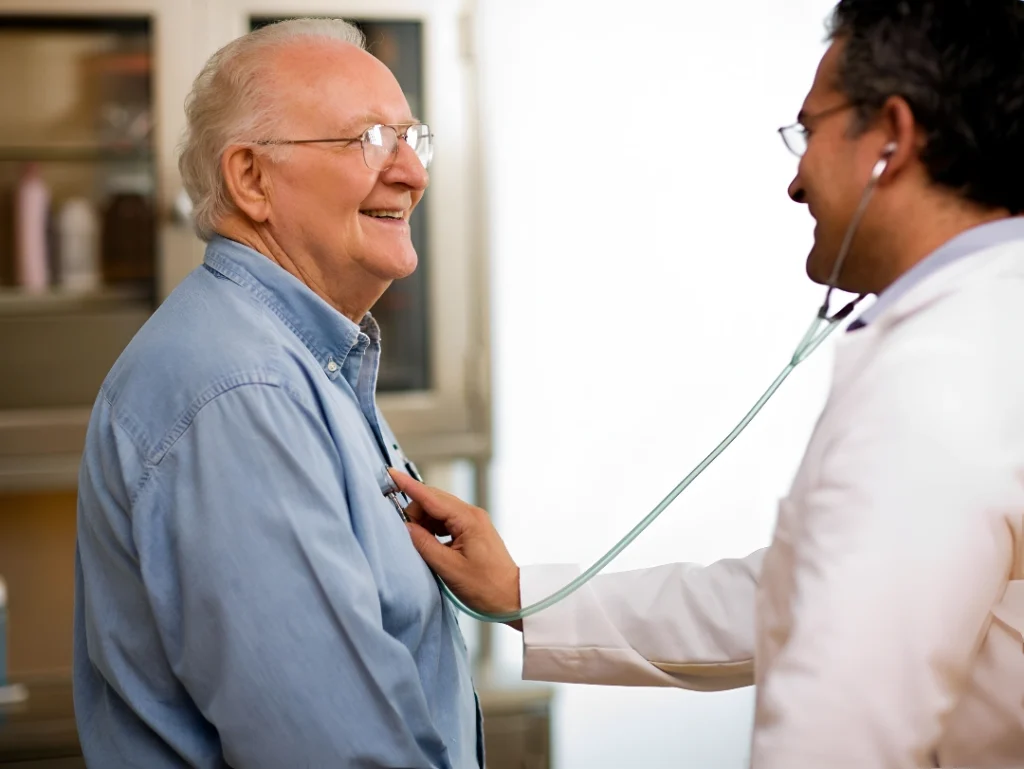
Many people reach their 80s while living with one or more chronic health conditions such as heart disease, diabetes, high blood pressure, or chronic lung disease. These conditions don’t automatically shorten a person’s life, but they often require careful management to prevent complications.
As we age, the body’s ability to recover from illness becomes slower. A minor infection, dehydration, or a missed medication may have a much greater impact than it would have years earlier.
Regular medical checkups, taking medications as prescribed, staying physically active, and following a healthy eating plan can help many older adults continue living independently for years.
2. Falls and Loss of Mobility
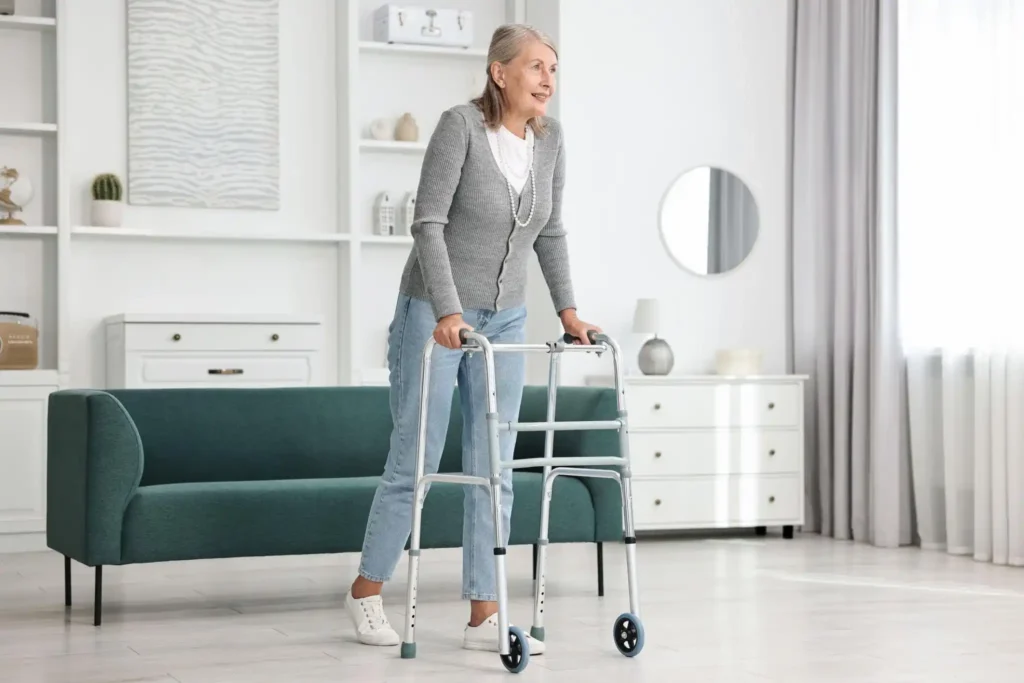
One of the biggest health risks after age 80 isn’t always disease—it’s falling. Balance naturally changes with age, muscles become weaker, and bones are often more fragile, making injuries from falls much more serious.
A broken hip or severe fall can sometimes lead to long recovery periods, reduced independence, and other health complications. That’s why fall prevention becomes one of the most important parts of healthy aging.
Simple habits like regular strength and balance exercises, wearing supportive shoes, removing tripping hazards at home, and having regular vision checkups can greatly reduce the risk of falls.
Pro Tip
Staying active doesn’t always mean intense exercise. Even gentle daily activities like walking, stretching, gardening, or chair exercises can help maintain strength, improve balance, support heart health, and increase independence as people grow older.
| ❌ Myth | ✅ Fact |
|---|---|
| Turning 80 automatically means poor health. | Many people remain active, independent, and healthy well into their 80s and beyond. |
| Falls are just a normal part of aging. | Many falls can be prevented with exercise, home safety improvements, and regular health checkups. |
| Older adults should avoid physical activity. | Safe, age-appropriate movement helps improve strength, balance, and overall health. |
| Chronic illnesses can’t be managed after 80. | Proper treatment, healthy habits, and regular medical care often help people live longer and better. |
| It’s too late to improve your health after 80. | Healthy lifestyle changes at any age can still improve quality of life and support healthier aging. |
3. Poor Nutrition and Muscle Loss

As people grow older, maintaining good nutrition becomes even more important. Unfortunately, many adults over 80 eat less than their bodies actually need. Reduced appetite, dental problems, medication side effects, or difficulty cooking can all make it harder to get enough nutrients.
One common concern is age-related muscle loss, often called sarcopenia. As muscle mass decreases, everyday activities like climbing stairs, carrying groceries, or even standing up from a chair can become more difficult. Weaker muscles also increase the risk of falls and injuries.
Eating enough protein, staying hydrated, including fruits and vegetables in daily meals, and doing light strength exercises can help support muscle health. Even small improvements in daily nutrition can make a meaningful difference in maintaining independence and overall well-being.
4. Social Isolation and Mental Health

Physical health is only one part of healthy aging. Emotional well-being and social connection are just as important. After age 80, some older adults experience loneliness because of retirement, losing loved ones, limited mobility, or living alone.
Long-term social isolation has been linked with poorer physical and mental health outcomes. It may contribute to depression, anxiety, reduced physical activity, and even make it harder to manage existing medical conditions.
Staying connected with family, friends, neighbors, or community groups can make a real difference. Regular phone calls, visits, hobbies, volunteering, or joining local senior activities help many older adults stay mentally active and emotionally supported.
Healthy aging isn’t only about adding years to life—it’s also about adding more life to those years.