No marriage is perfect, and every couple experiences disagreements from time to time. But there’s an important difference between ordinary relationship challenges and patterns of behavior that slowly damage trust, respect, and emotional security.
A good husband isn’t expected to be flawless. However, certain habits can make a marriage feel lonely, exhausting, and unhealthy if they continue over time without change.
If you recognize one or more of these behaviors, it doesn’t automatically mean a marriage is beyond repair. Instead, they can serve as warning signs that honest communication, accountability, and effort may be needed to rebuild a healthier relationship.
1. He Constantly Disrespects You
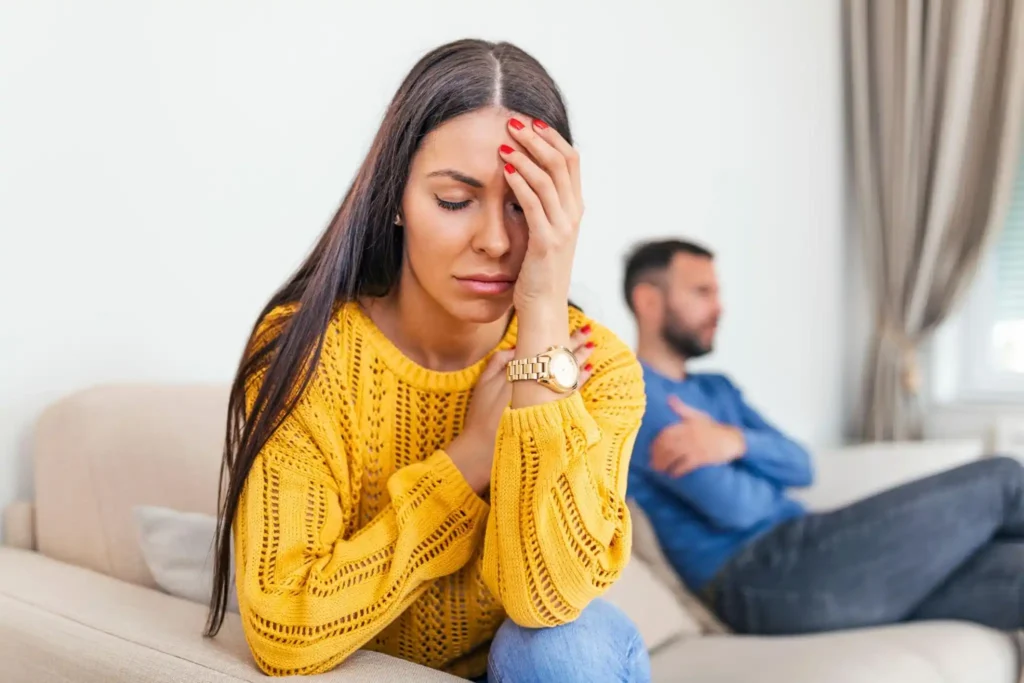
Respect is one of the strongest foundations of a healthy marriage. A husband who regularly insults, belittles, mocks, or humiliates his wife—whether in private or in front of others—gradually weakens the relationship.
Disrespect doesn’t always involve shouting. It can appear through sarcastic comments, constant criticism, dismissing feelings, or making someone feel unimportant. Over time, these behaviors often damage confidence and emotional connection.
Every couple disagrees occasionally, but healthy disagreements should still be built on mutual respect.
2. He Never Takes Responsibility for His Actions

Everyone makes mistakes. What separates a healthy partner from an unhealthy one is the willingness to admit those mistakes and learn from them.
If a husband constantly blames others, makes excuses, or refuses to apologize when he’s wrong, conflicts rarely get resolved. Instead, the same problems continue repeating because accountability is missing.
Taking responsibility isn’t a sign of weakness—it’s a sign of maturity and respect for the relationship.
3. He Ignores Your Feelings
Feeling emotionally unheard can be just as painful as constant arguments. When a husband repeatedly dismisses his wife’s concerns, changes the subject, or acts as though her feelings don’t matter, emotional distance often begins to grow.
A caring partner doesn’t have to agree with every opinion, but they should be willing to listen with empathy and try to understand each other’s perspective.
Healthy communication starts with making both people feel valued, respected, and heard.
Pro Tip
Before labeling someone as a “bad husband,” look for consistent patterns rather than isolated mistakes. Everyone has difficult days, but repeated behavior over time usually provides a much clearer picture of the health of a relationship.
| Myth | Fact |
|---|---|
| Good husbands never make mistakes. | Every spouse makes mistakes. The difference is how they respond, learn, and grow from them. |
| Arguing always means the marriage is unhealthy. | Respectful disagreements are normal. Ongoing disrespect and emotional harm are the real concern. |
| Apologizing makes a husband look weak. | Taking responsibility often strengthens trust and shows emotional maturity. |
| Ignoring problems makes them disappear. | Unresolved issues usually become larger over time if they aren’t addressed. |
| A difficult marriage can never improve. | Many couples strengthen their relationship through honest communication, mutual effort, and professional support when needed. |
4. He Breaks Your Trust Repeatedly
Trust is one of the hardest things to rebuild once it’s repeatedly broken. Whether it’s constant lying, hiding important information, breaking promises, or being dishonest about finances or relationships, repeated betrayal slowly weakens the foundation of a marriage.
One mistake can sometimes be repaired through genuine accountability and consistent effort. However, when dishonesty becomes a pattern, it creates uncertainty that can leave one partner constantly questioning what’s true.
A healthy marriage depends on honesty, transparency, and keeping the promises you make to each other.
5. He Makes You Feel Alone in the Marriage
Marriage is meant to be a partnership where both people feel supported through life’s challenges. If a husband is physically present but emotionally unavailable, his wife may begin to feel like she’s carrying the relationship alone.
This can happen when one partner rarely spends quality time together, avoids meaningful conversations, or leaves all the emotional and household responsibilities to the other person.
Feeling lonely while married is often more painful than being alone because it creates the expectation of connection without the experience of it.
6. He Refuses to Grow or Change
Every successful marriage requires growth. As life changes, both partners must be willing to learn, communicate better, and work through challenges together.
A husband who refuses to acknowledge problems, rejects constructive conversations, or believes he never needs to change can prevent the relationship from moving forward. Over time, unresolved issues often become bigger because neither partner feels heard or supported.
Growth doesn’t mean becoming a different person. It means being willing to improve, compromise, and strengthen the relationship together.
Conclusion
No one is a perfect husband, just as no one is a perfect wife. Healthy marriages are built on respect, honesty, trust, communication, and a willingness to grow together over time.
If you recognize some of these behaviors in your own relationship, avoid jumping to immediate conclusions. Instead, look at whether these patterns are consistent, how they affect your emotional well-being, and whether both partners are willing to work toward positive change.
Strong relationships aren’t defined by the absence of problems—they’re defined by how couples face those problems together. When respect, accountability, and genuine effort are present, many marriages can become stronger than they were before.
Frequently Asked Questions
Can someone be a good husband even if he makes mistakes?
Absolutely. Everyone makes mistakes. What matters most is taking responsibility, apologizing sincerely, and making consistent efforts to improve rather than repeating harmful behavior.
How do I know if these behaviors are temporary or part of a pattern?
Occasional mistakes happen in every marriage. If the same unhealthy behaviors continue for months or years despite repeated conversations, they may indicate a deeper relationship problem.
Can a marriage recover after trust has been broken?
Many couples rebuild trust through honesty, accountability, patience, and professional counseling. Recovery is possible when both partners are genuinely committed to repairing the relationship.
Should I confront my husband about these issues?
Open, respectful communication is usually the healthiest first step. Choose a calm moment to discuss your concerns and focus on specific behaviors rather than personal attacks.
When should a couple consider professional counseling?
If communication repeatedly breaks down, conflicts remain unresolved, or trust has been seriously damaged, a qualified marriage counselor can help both partners better understand each other and work toward healthier solutions.