Growing older brings wisdom, experience, and a deeper understanding of life — but it can also bring small habits that develop so gradually, we don’t even realize they’re happening. The truth is, people around us often notice certain behaviors long before we do. They may never mention them out of respect, kindness, or simply not wanting to offend.
This isn’t about criticism — it’s about awareness. Recognizing these subtle habits can help older adults stay socially connected, confident, and comfortable in everyday interactions. When you know what others might quietly notice, you gain the power to make small adjustments that can improve relationships and overall well-being.
Here are seven common behaviors that often appear with age — and what they really mean.
1. Repeating the Same Stories Often
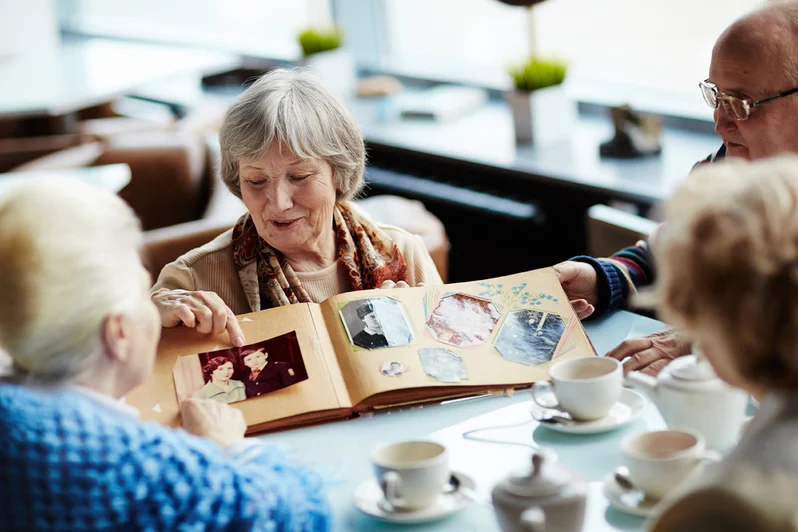
As people grow older, memories from the past often feel more vivid and meaningful than recent events. This can lead to telling the same stories again and again — sometimes without realizing it. While loved ones may smile and listen politely, frequent repetition can make conversations feel predictable. This habit usually comes from nostalgia and a desire to relive meaningful experiences. Staying mindful during conversations and inviting others to share their stories too can help keep interactions balanced and engaging. Conversation is most enjoyable when it feels shared, not one-sided.
2. Speaking More Loudly Than Necessary

Changes in hearing can happen gradually, making it harder to judge how loud your own voice sounds to others. Many older adults speak more loudly simply because they can’t hear themselves clearly. While completely natural, it can sometimes make conversations feel intense or overwhelming in quiet settings. Others may not mention it out of politeness. Being aware of voice volume — especially indoors — helps maintain comfortable communication. Regular hearing checks can also make a big difference in staying socially confident and connected.
3. Interrupting Without Realizing

Sometimes older adults jump into conversations quickly because they don’t want to forget what they were about to say. This can lead to interrupting others unintentionally. While the intention is simply to participate, frequent interruptions can make conversations feel rushed or unbalanced. People often stay quiet about it to avoid embarrassment. Taking a moment to pause and listen fully can improve communication and help others feel heard. Good conversations are built on patience as much as participation.
4. Becoming Resistant to New Ideas

With years of experience comes strong preferences — and sometimes a reluctance to try new ways of doing things. Whether it’s technology, lifestyle changes, or different viewpoints, resistance can appear as stubbornness to others. Often, this comes from comfort with familiarity rather than unwillingness to learn. However, staying open-minded helps maintain stronger relationships, especially across generations. Even small efforts to explore new ideas show adaptability and curiosity — qualities that people deeply admire at any age.
5. Neglecting Personal Grooming Details

Energy levels, mobility challenges, or changing priorities can make personal grooming feel less important over time. Small details — wrinkled clothes, untrimmed hair, or overlooked hygiene — may go unnoticed by the person but not by others. Friends and family rarely comment because it feels too personal. Maintaining simple grooming routines can boost confidence, improve social comfort, and support self-respect. Looking put-together often helps people feel more engaged with the world around them.
6. Complaining Frequently About Health or Discomfort

Physical discomfort naturally becomes more common with age, and talking about it can feel relieving. However, frequent complaints about aches, pains, or limitations can make conversations feel heavy or repetitive for others. People care — but they may not always know how to respond. Balancing honesty about health with lighter conversation topics helps maintain enjoyable social interactions. Sharing positive moments or interests alongside concerns creates a more uplifting connection.
7. Withdrawing Socially Without Noticing

Sometimes older adults gradually reduce social activities without realizing how much they’ve withdrawn. This can happen due to fatigue, routine, or simply feeling more comfortable at home. While solitude can be peaceful, too much isolation may concern others who notice the change. Staying socially active — even in small ways — supports emotional well-being and keeps life engaging. Regular connection, whether through friends, hobbies, or community events, helps maintain a sense of belonging and purpose.
Conclusion
Growing older is a natural and meaningful stage of life, filled with reflection, growth, and new perspectives. The small habits that develop along the way are rarely intentional — they simply emerge with changing routines, abilities, and priorities. Becoming aware of these behaviors isn’t about judgment — it’s about staying socially aware, confident, and connected.
With small adjustments, anyone can maintain vibrant relationships, meaningful conversations, and a strong sense of presence in the world around them. Awareness is empowering — and it helps ensure that age brings not just wisdom, but continued connection and fulfillment.