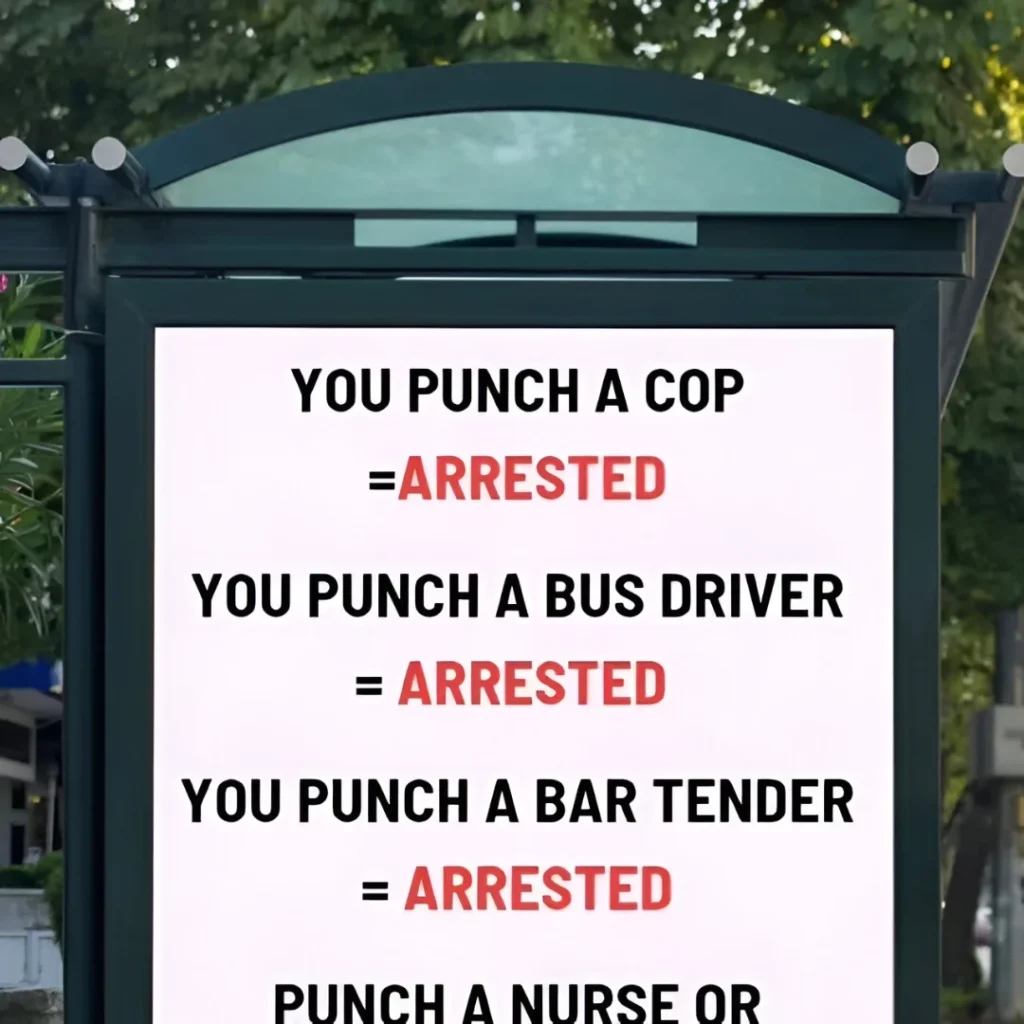
At first glance, the message on this viral image feels shocking — even unfair.
“You punch a cop = arrested
You punch a bus driver = arrested
You punch a bartender = arrested
Punch a nurse or teacher = what could you have done differently?”
People pause.
They argue.
They share it.
But very few actually stop to understand what this message is really pointing to.
This article is not about encouraging violence — violence is wrong in every form.
This article is about why society responds differently depending on who is harmed, and why nurses and teachers often face blame instead of protection.
Let’s break this down — calmly, honestly, and with real-world context.
1. Understanding the Message Behind the Viral Pin
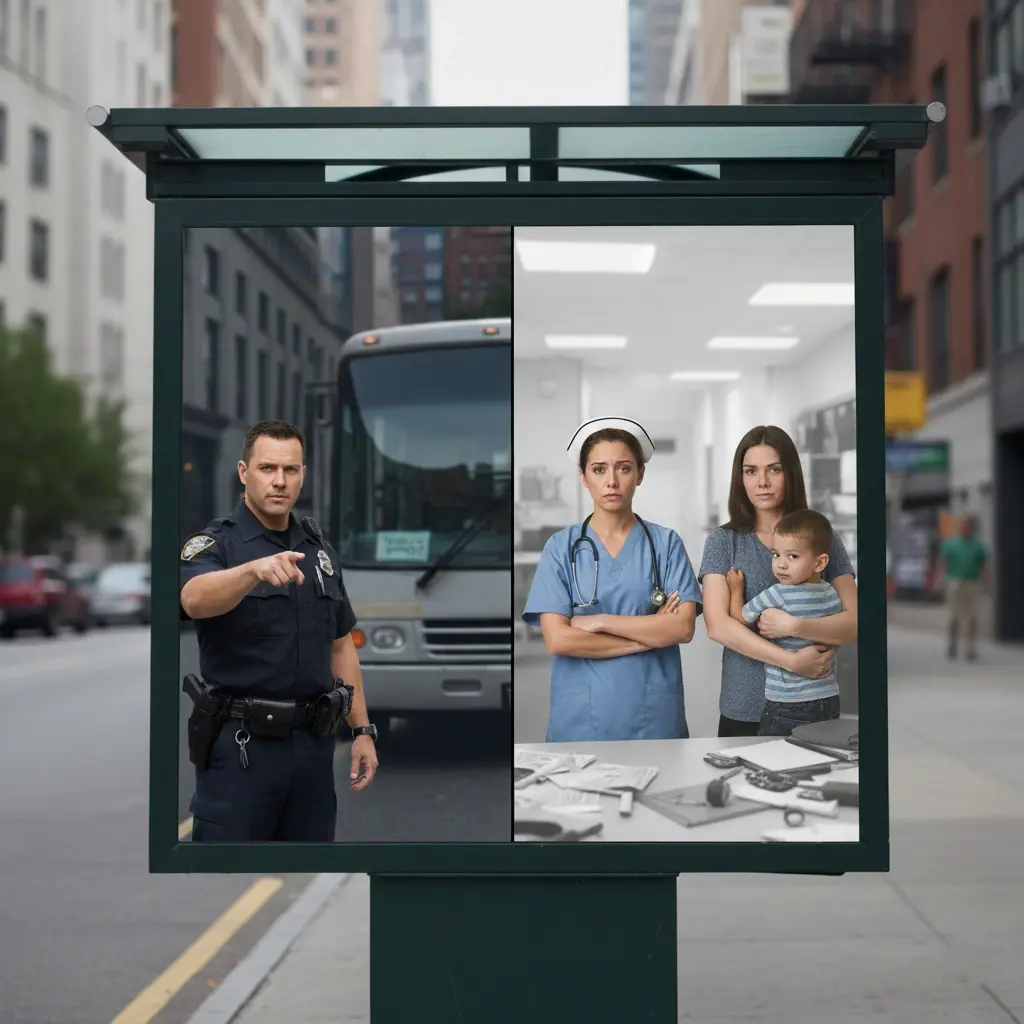
The image isn’t saying that punching a nurse or teacher is acceptable.
It’s highlighting a double standard in accountability and response.
For some professions, society reacts with:
- Immediate consequences
- Clear authority
- Legal protection
For others, the response is often:
- Questioning the victim
- Excusing the aggressor
- Minimizing the harm
That difference is the real issue.
2. Why Violence Against Authority Is Taken Seriously
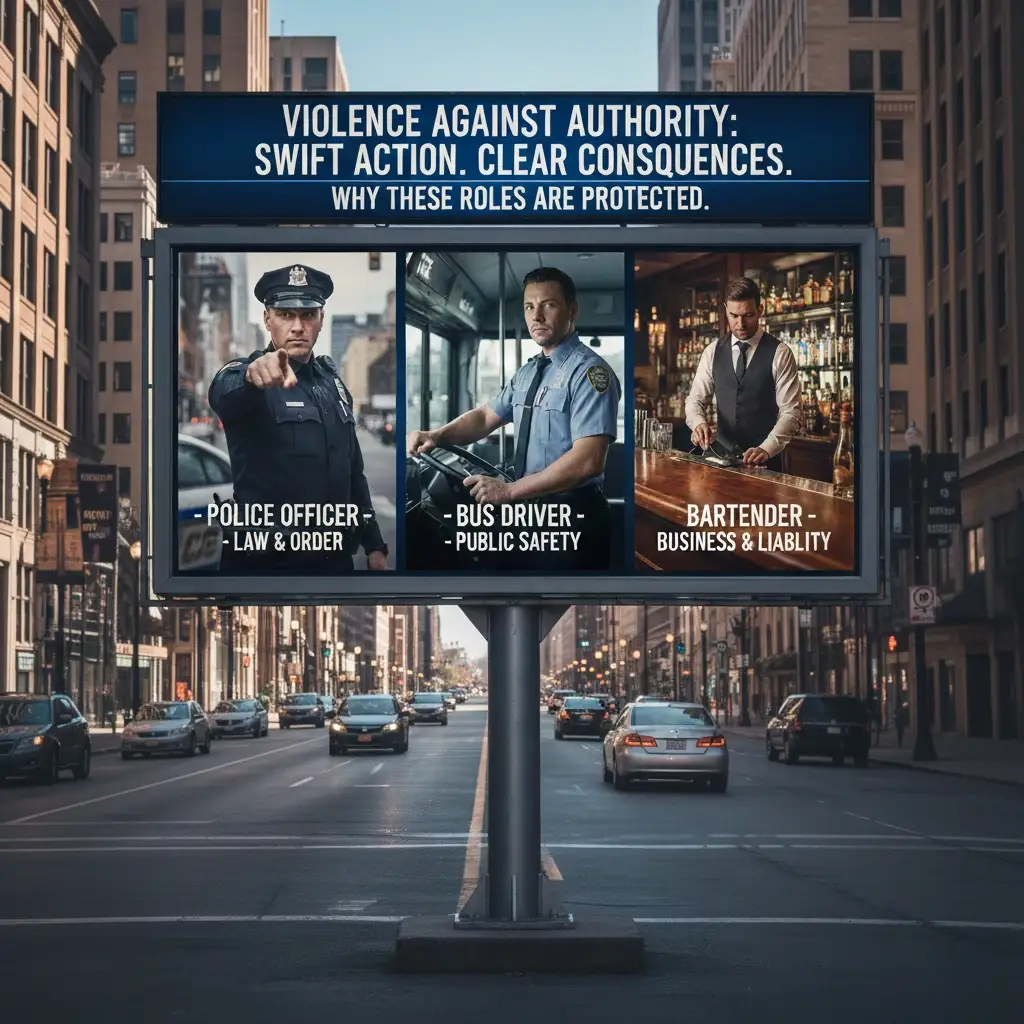
When someone assaults:
- A police officer
- A bus driver
- A bartender
The reaction is swift.
Why?
Because these roles are associated with:
- Clear authority or control
- Defined legal backing
- Public safety or business responsibility
The system responds fast because order and liability are at stake.
3. Nurses: The Caregivers Who Absorb Abuse
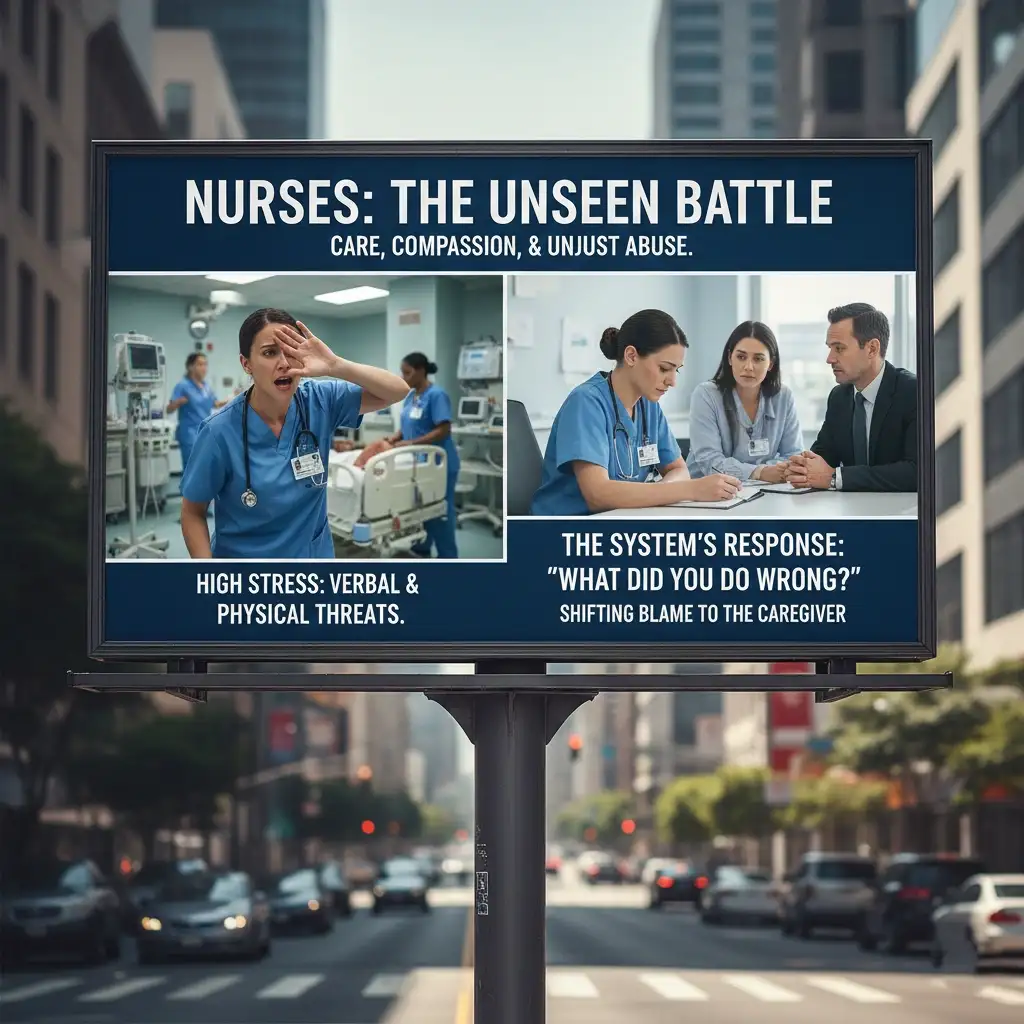
Nurses work in high-stress environments:
- Emergency rooms
- Mental health units
- Overcrowded hospitals
They face:
- Verbal abuse
- Physical threats
- Actual assaults
Yet many times, incidents are brushed off as:
- “The patient was stressed”
- “They didn’t mean it”
- “It’s part of the job”
Instead of punishment, nurses are often asked:
“How could you have handled it differently?”
That question quietly shifts responsibility from the attacker to the caregiver.
4. Teachers: Authority Without Protection
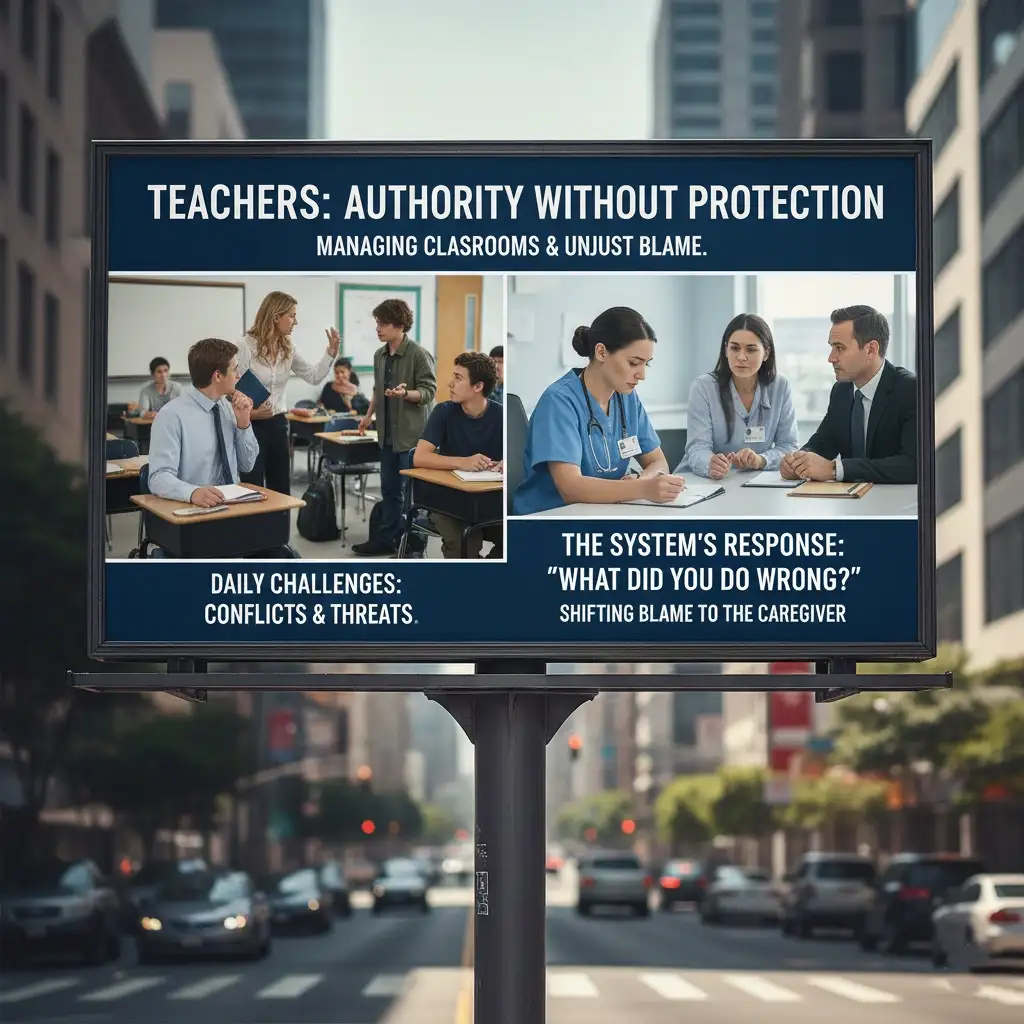
Teachers manage:
- Large groups
- Emotional students
- Conflicts every single day
When violence happens in schools, teachers are often told:
- “You should de-escalate better”
- “Did you provoke the situation?”
- “Try not to take it personally”
In many cases, discipline is avoided to protect systems, reputations, or policies — not people.
5. The Core Problem: Emotional Labor Is Not Valued
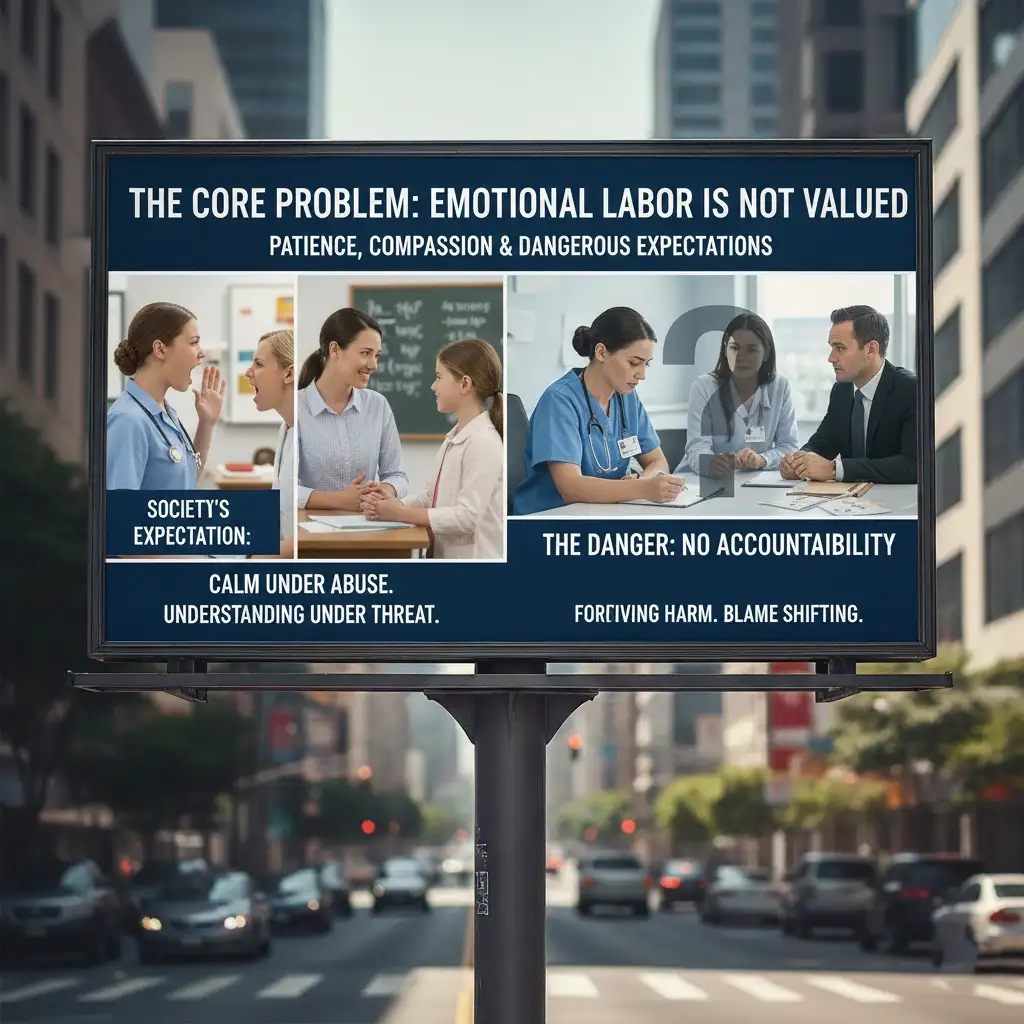
Nurses and teachers perform emotional labor:
- Patience
- Compassion
- Conflict management
Society expects them to be:
- Calm under abuse
- Understanding under threat
- Forgiving under harm
That expectation becomes dangerous when it replaces accountability.
6. Why This Double Standard Exists
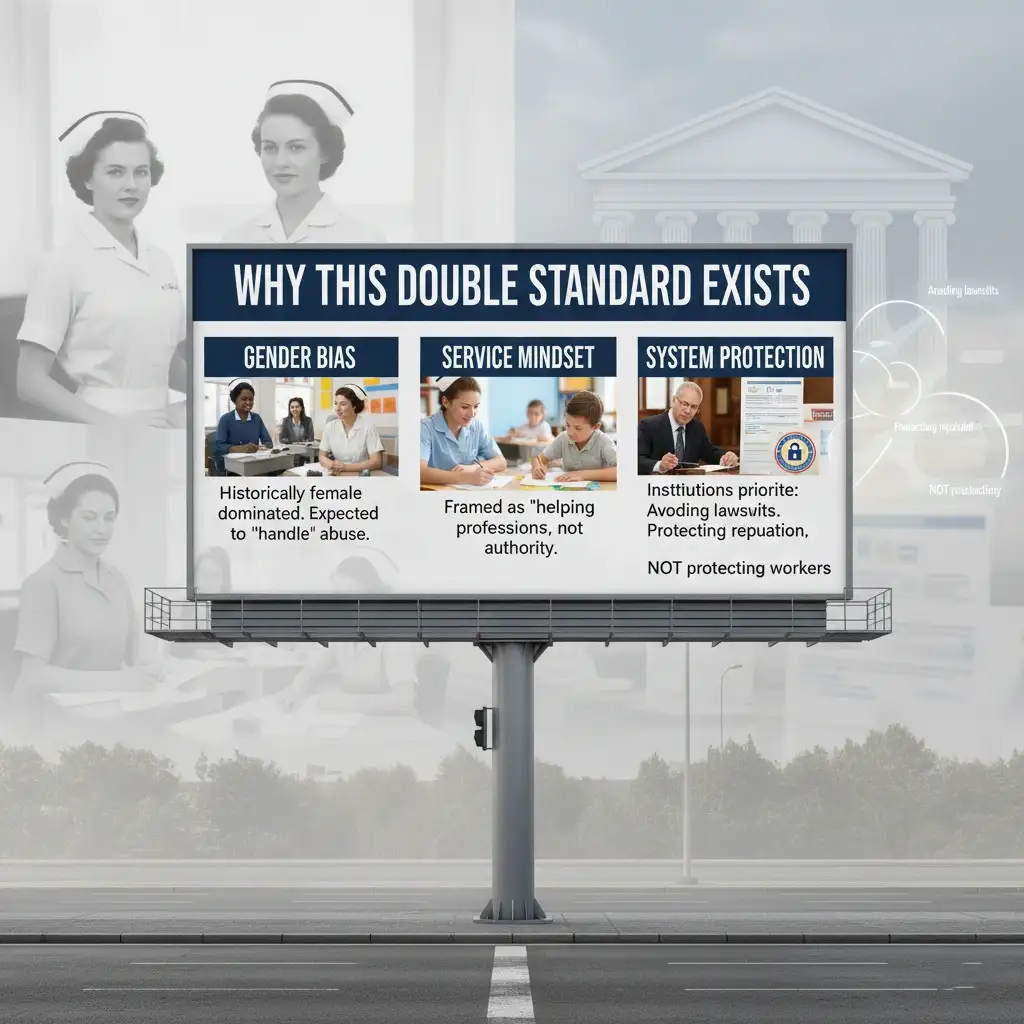
Several factors play a role:
> Gender Bias
Both professions are historically female-dominated, and society often expects women to “handle” abuse quietly.
> Service Mindset
Care roles are framed as “helping professions,” not authority roles — even when safety is involved.
> System Protection
Institutions often prioritize:
- Avoiding lawsuits
- Protecting reputation
- Maintaining appearances
Instead of protecting workers.
7. The Psychological Cost on Nurses and Teachers
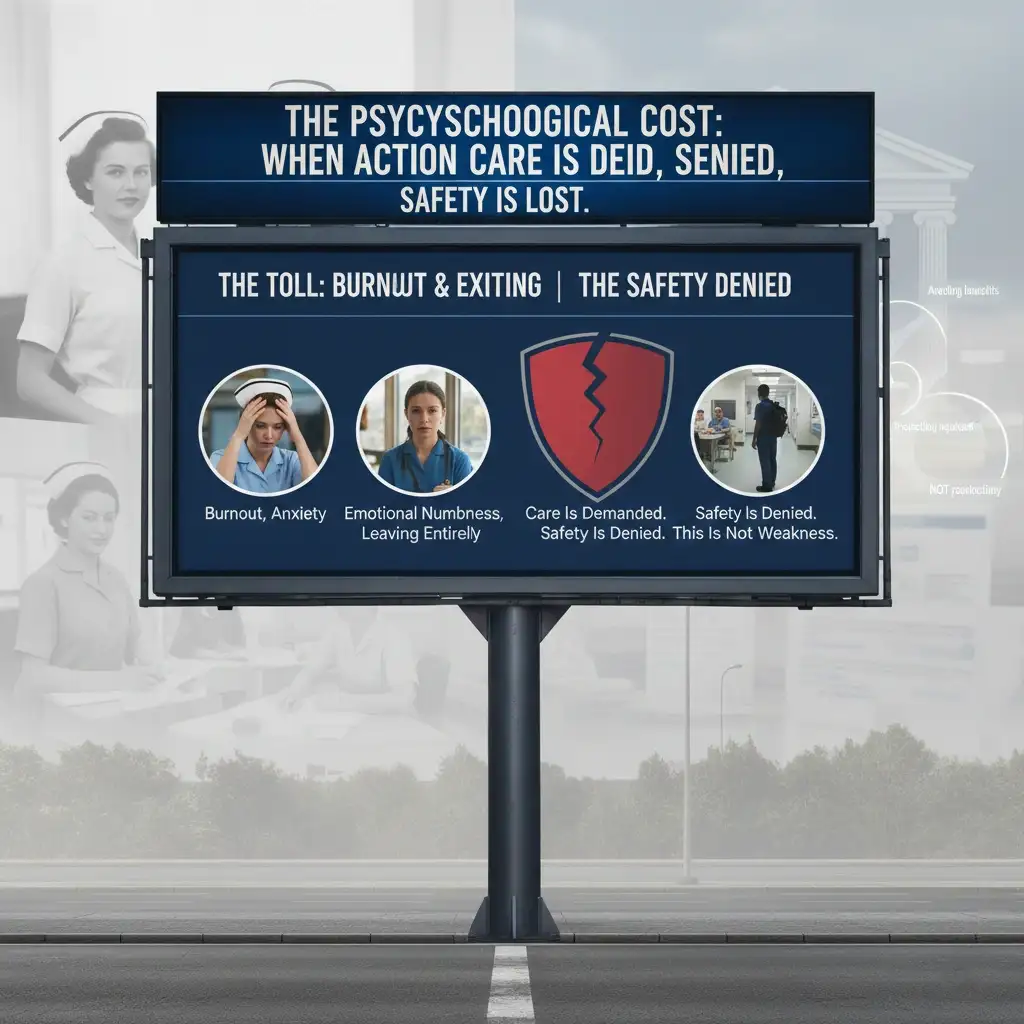
Over time, repeated blame leads to:
- Burnout
- Anxiety
- Emotional numbness
- Leaving the profession entirely
This isn’t weakness.
It’s what happens when care is demanded but safety is denied.
8. Why Accountability Matters for Everyone
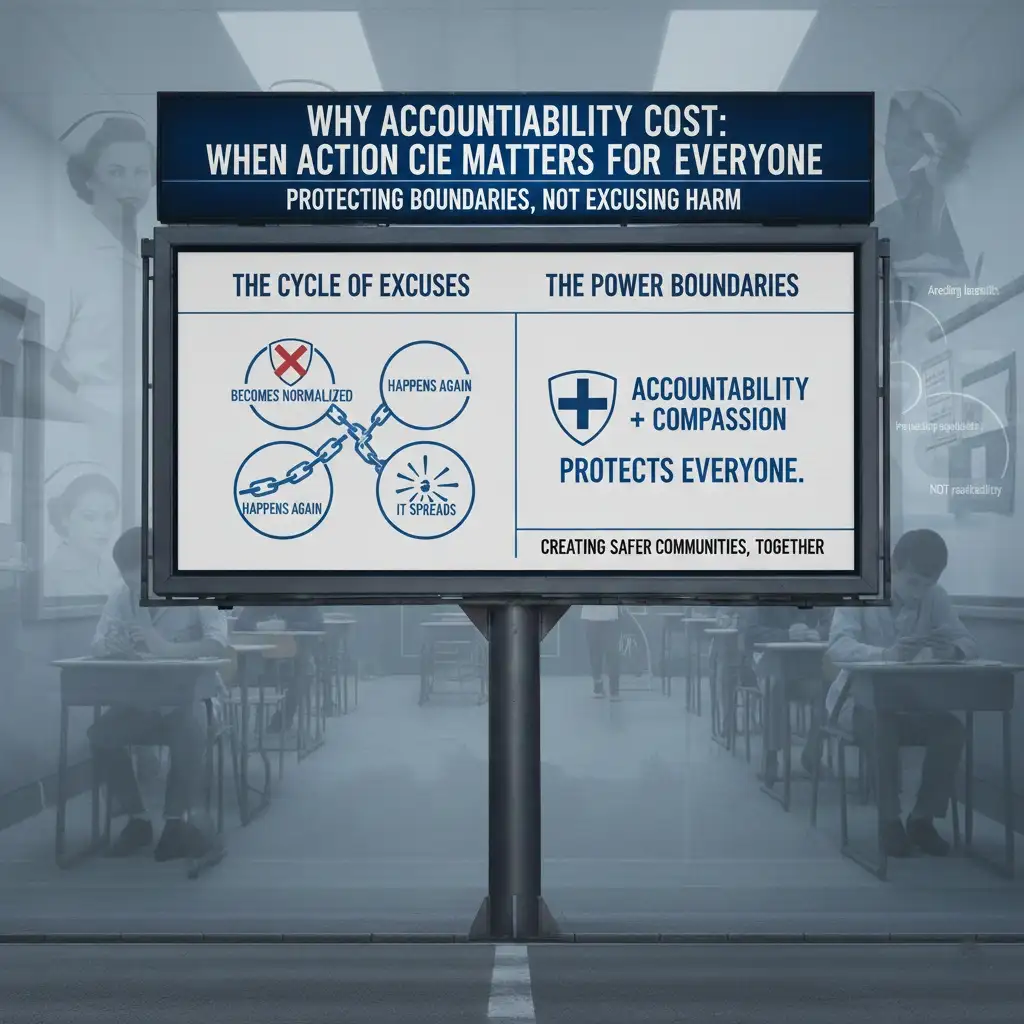
When violence is excused:
- It becomes normalized
- It happens again
- It spreads
Accountability doesn’t remove compassion —
it creates boundaries that protect everyone.
9. What Needs to Change
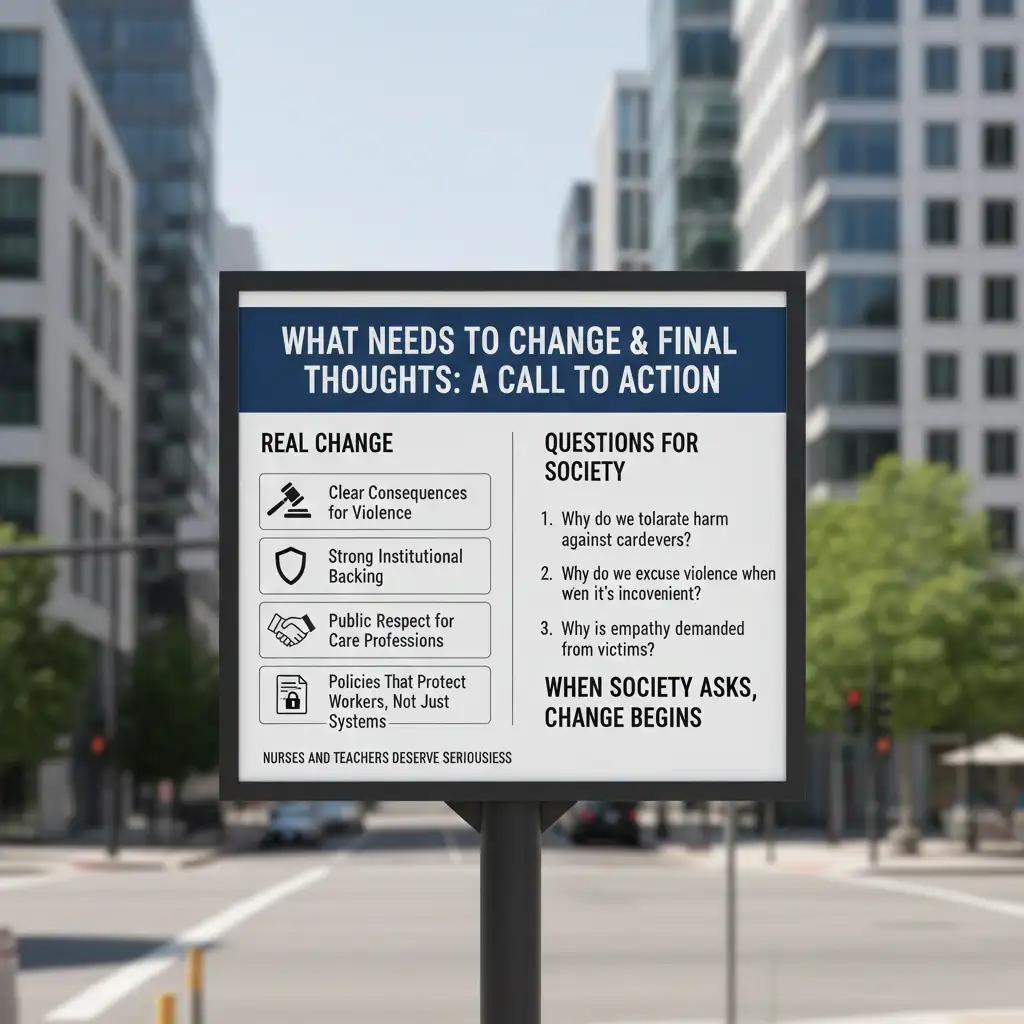
Real change looks like:
- Clear consequences for violence
- Strong institutional backing
- Public respect for care professions
- Policies that protect workers, not just systems
Nurses and teachers deserve the same seriousness given to other professions.
Final Thoughts: What This Image Is Really Asking Us
The image isn’t blaming nurses or teachers.
It’s asking us:
- Why do we tolerate harm against caregivers?
- Why do we excuse violence when it’s inconvenient to confront?
- Why is empathy demanded from victims instead of accountability from offenders?
When society starts asking the right questions, real change begins.