In October 2015, my niece, then aged 2½, was diagnosed with Acute Lymphoblastic Leukaemia. She started on chemotherapy straight away at a truly wonderful children’s hospital in the north of England.
The consultant told us that the best things we could do to ensure her treatment was successful were to ensure she took her medication and to keep her weight up as much as possible. As well as regular chemo, she had to be taken to the hospital whenever her temperature went up, often for a few days at a time.
The hospital’s rule was that children must have an accompanying adult at all times to take care of their non-medical needs. As the family member who lived closest, I sometimes stayed in the hospital with my niece to give my brother and sister-in-law a bit of a break.
This story happened in February 2016, almost at the end of the first and most intensive period of chemo.
Her temperature had spiked a few nights previously, so she had been rushed to the hospital. She had some kind of infection that was making her very tired and grumpy, and she had hardly eaten for days, even the ward chef’s amazing muffins (they concealed four kinds of fruits and vegetables and were absolutely delicious) didn’t tempt her.
6 AM in the pre-dawn gloom of a drizzly English winter morning, my niece (who, by her own precocious admission, was “not a morning person”) suddenly woke up and demanded porridge. This was very welcome, as she hadn’t asked for food for days, but also a problem in that, as she rarely ate porridge, I didn’t have any! She was very fickle about eating at that point, and I feared that if I didn’t get the porridge reasonably quickly, she would no longer want it.
I went to the nurses’ station to ask if they had any porridge on the ward: nope. I started working through other options that might work within what I suspected was quite a tight time limit; I doubted she would still want porridge by the time the ward chef came on shift at 8 AM. Similarly, nipping the half mile to the nearest supermarket would probably have taken too long, especially as I would have had to find another adult to watch my niece in the meantime.
I went to look in the visitors’ kitchen, where there was a box of non-perishable food that people had left behind when they left the ward. No joy there.
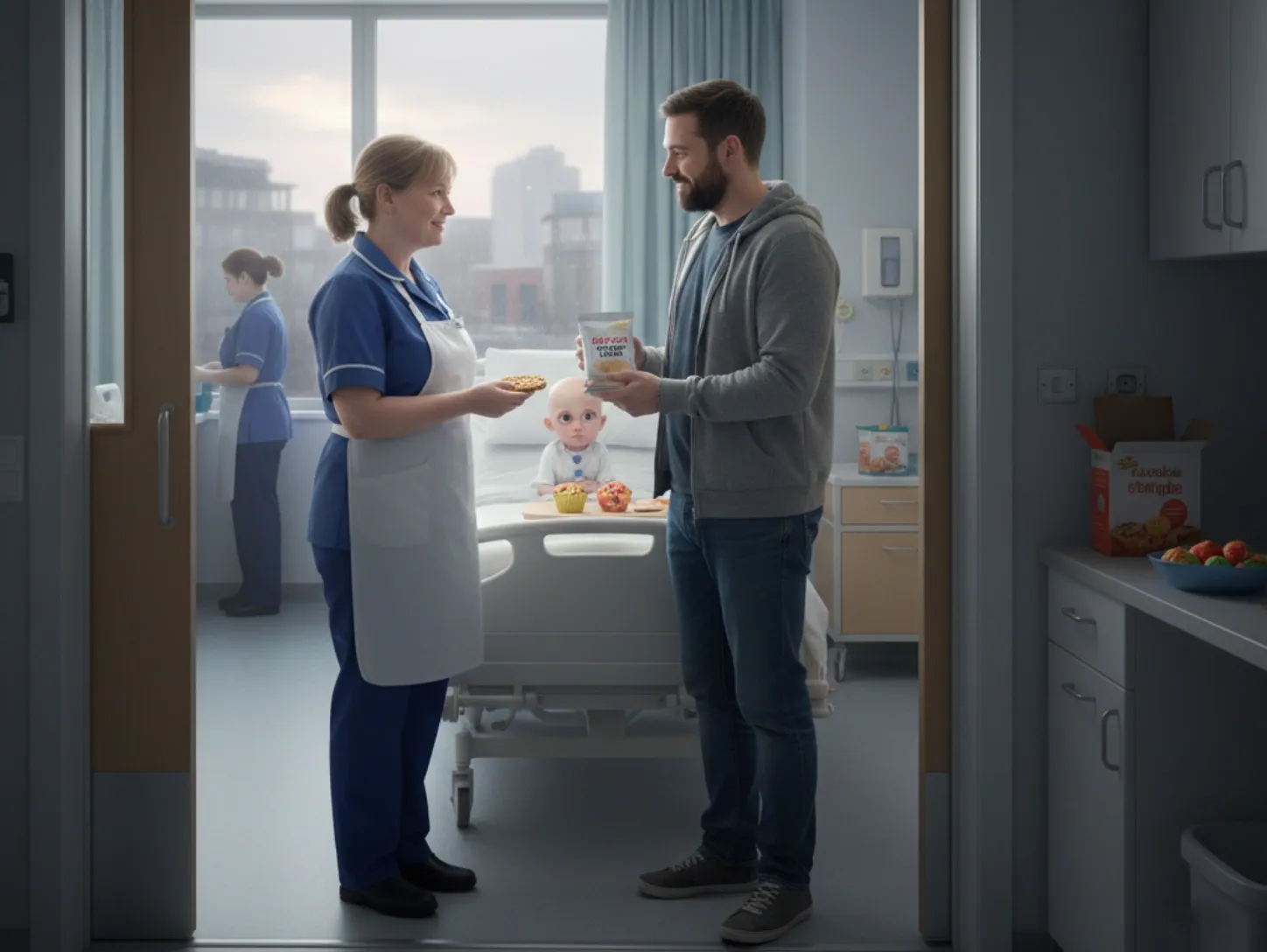
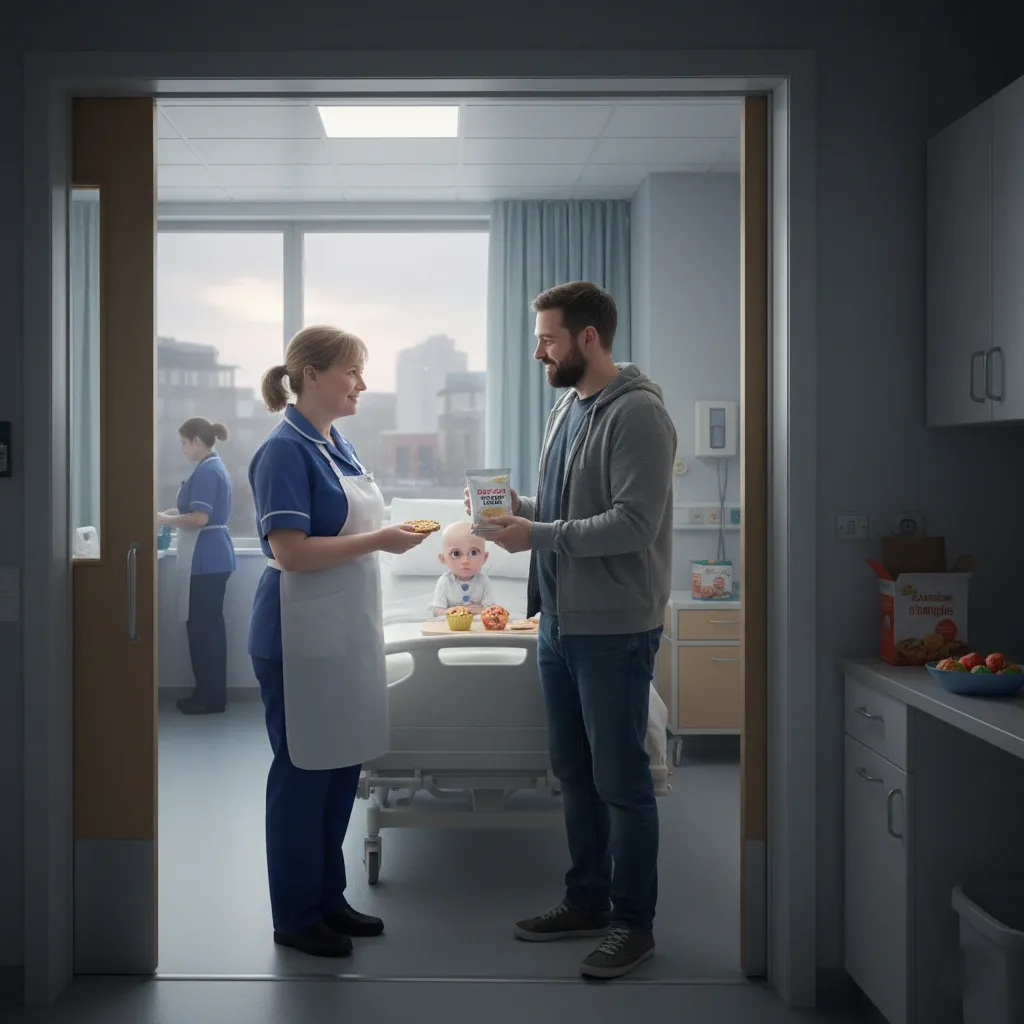
Just as I was contemplating which adult would least mind a rude awakening, one of the cleaners poked her head round the door, then presented me with a sachet of instant porridge. The nurses had told everyone who came through the ward about my niece’s sudden porridge urge, and it so happened that this cleaner had a sachet to eat on her break.
I thanked her profusely (memory fails, but I was probably tearful) and offered her a flapjack in return, which she accepted, saying it would make a nice change. My niece ate half a bowl of porridge before falling asleep again.
There was still a long way to go after this incident; it was by no means the end or even the end of the beginning. But it was a bright spot in a very dark time.
I’m posting this story to mark the tenth anniversary of her diagnosis. Her treatment ended two weeks before her fifth birthday, and she’s been cancer-free ever since with no memory of having ever been ill.