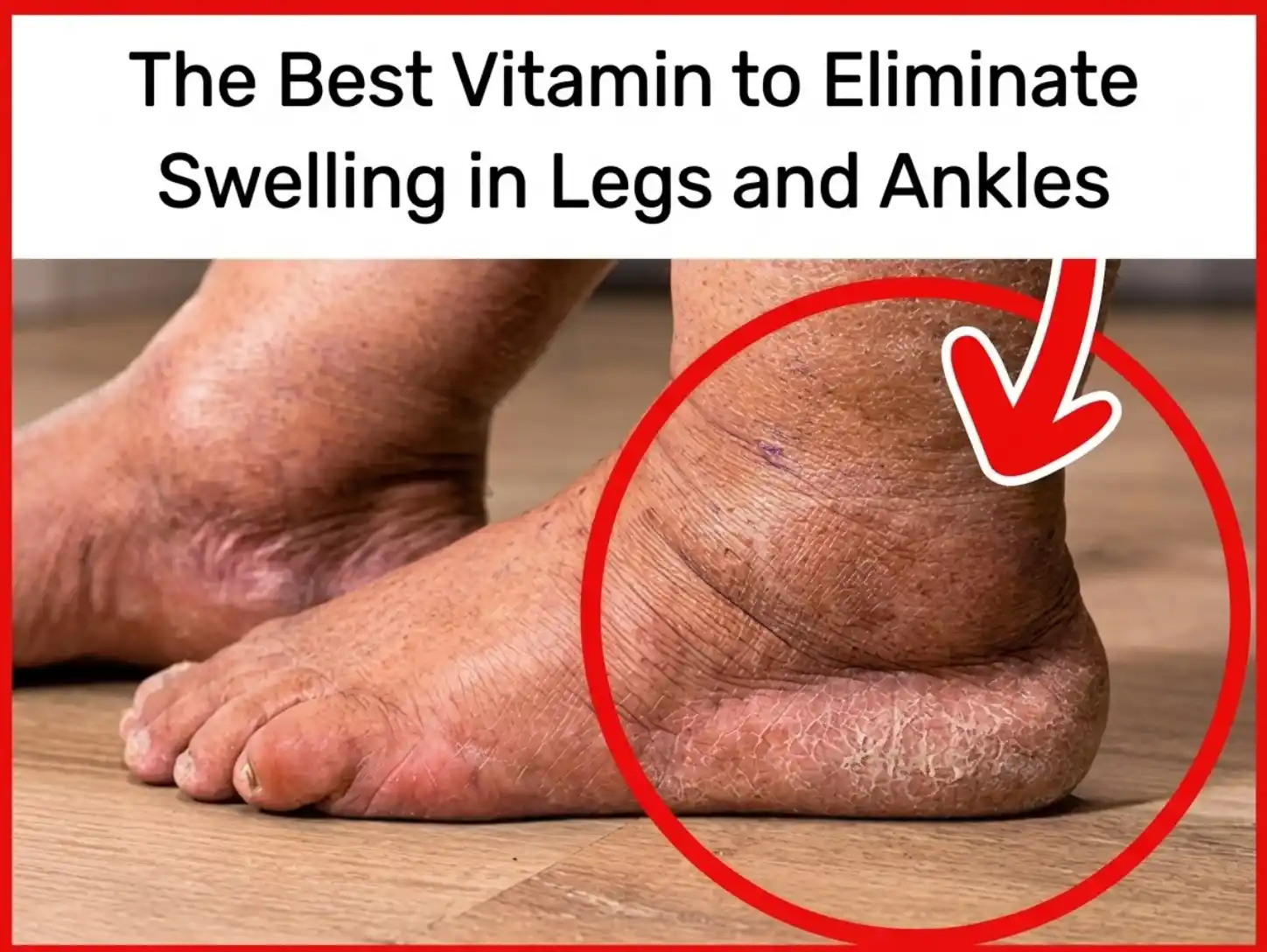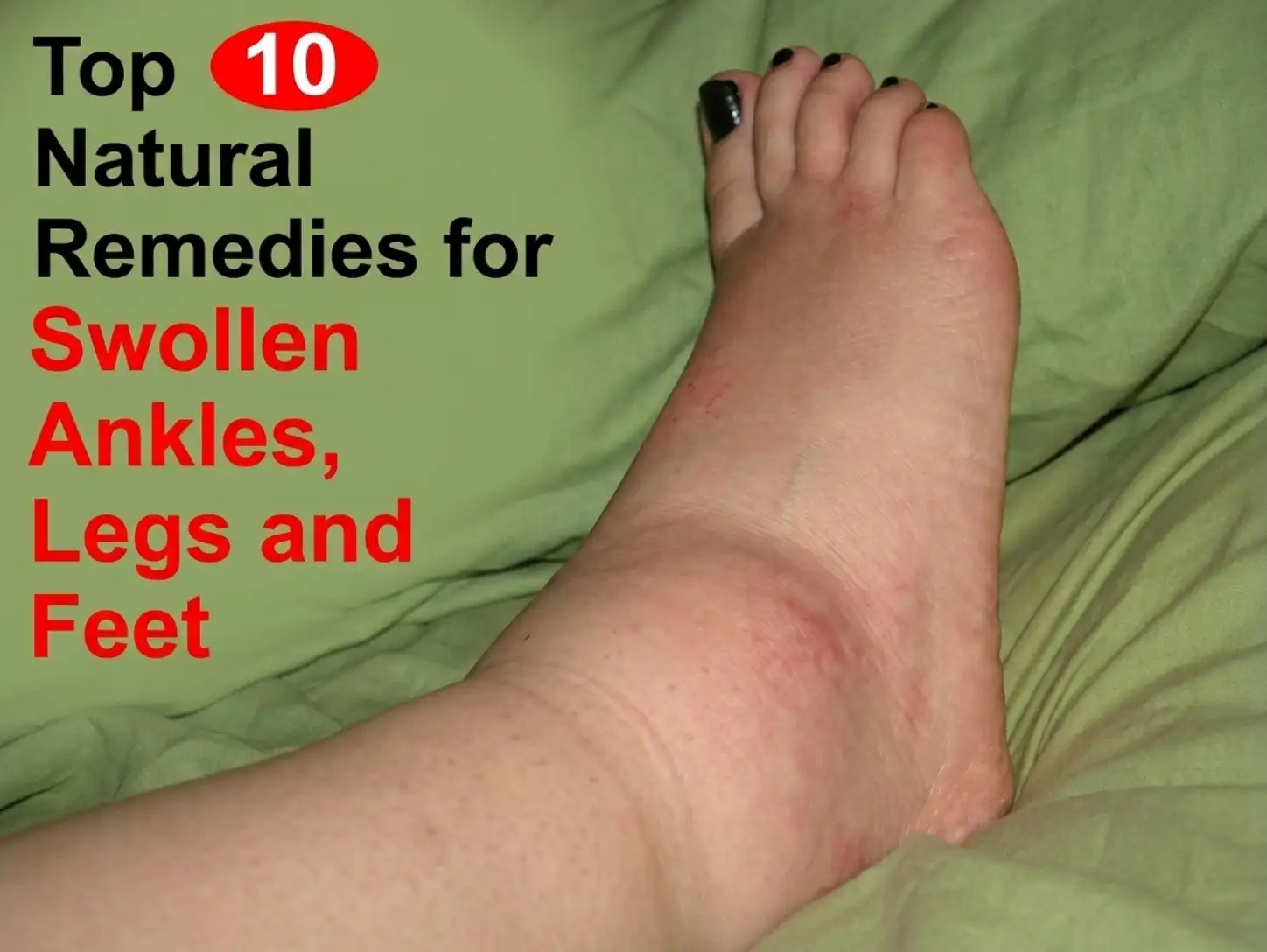
Swollen ankles, legs, or feet can be surprisingly uncomfortable. Sometimes you notice it after a long day of sitting or standing, while other times your shoes suddenly feel tighter than usual. Mild swelling can happen for several everyday reasons, including prolonged sitting, standing, or eating more salt than usual.
The good news is that there are several simple habits that may help reduce mild swelling and make your legs feel more comfortable. But because swelling can also be linked to medications or underlying heart, kidney, liver, vein, or circulation problems, it’s important not to assume every swollen ankle has the same cause.
Below, we’ll go through 10 practical, natural approaches one at a time, starting with some of the simplest things you can try at home.
1. Elevate Your Legs
One of the simplest things you can do when your ankles and feet feel swollen is to give your legs a break and raise them above the level of your heart.
When you’re sitting or lying down, place your legs on a few pillows so your feet are comfortably elevated. This can help encourage excess fluid to move away from the lower legs instead of allowing it to continue pooling there. Mayo Clinic lists raising a swollen leg above heart level several times a day as one approach that may help with edema.
You don’t need an elaborate setup. Even creating a comfortable routine where you put your feet up while reading, watching television, or relaxing in the evening can make this an easy habit to maintain.
2. Take Short Walking Breaks
If you’ve been sitting at a desk, traveling, or standing in one position for hours, your legs may need some movement.
Gentle walking activates the muscles in your legs and can help move fluid back toward the heart. The NHS also recommends gentle exercise such as walking for swollen ankles, feet, and legs.
Instead of waiting until your legs feel heavy, try getting up periodically throughout the day. A few minutes of walking around the house or office can be a much more realistic habit than trying to fit one long workout into an otherwise inactive day.
3. Cut Back on Excess Sodium
That extra salt on your plate may matter more than you realize when you’re dealing with fluid retention.
Eating too much salty food can contribute to edema because sodium can encourage the body to hold on to more fluid. Reducing excessive salt intake is one of the lifestyle measures commonly recommended for mild edema.
You don’t have to make every meal bland. Start by paying attention to foods that are particularly high in sodium, such as heavily processed meals, packaged snacks, canned foods, and salty sauces. Small changes can be easier to maintain than trying to eliminate every source of salt overnight.
4. Avoid Staying in One Position for Too Long
Sometimes the problem isn’t what you’re doing—it’s how long you’re doing it without moving.
Sitting or standing for extended periods can contribute to swelling in the lower legs. If your day requires long periods at a desk, in a car, or on your feet, make a habit of changing position and moving around whenever you can.
Think of it as giving your circulation regular opportunities to work rather than asking your legs to remain in exactly the same position for hours.
5. Choose Comfortable Shoes
Swollen feet don’t need additional pressure from footwear that is already too tight.
The NHS recommends wide, comfortable shoes with a low heel and soft sole when dealing with swollen feet and ankles. Shoes that give your feet enough room can make everyday movement more comfortable, particularly later in the day when swelling may be more noticeable.
If your usual shoes suddenly feel unusually tight because of swelling, don’t force your feet into them. Give your feet room and pay attention to whether the swelling continues or keeps returning.
6. Try Compression Stockings When They’re Appropriate
Compression stockings can be useful for some types of leg and ankle swelling because they apply gentle pressure to the legs and can help keep fluid from building up in the tissues. They are commonly used for edema, particularly when swelling tends to return during the day.
The important part is choosing the right level and fit. A stocking that is too tight can be uncomfortable and may leave deep marks around the leg. If you have circulation problems or an existing medical condition affecting your legs, ask a healthcare professional whether compression stockings are appropriate for you before using them.
7. Give Your Feet Some Extra Care
Swollen feet can become uncomfortable, stretched, dry, or more vulnerable to small cracks and irritation. That’s why basic foot care is easy to overlook but worth adding to your routine.
Keep your feet clean and dry, moisturize dry skin, and avoid walking barefoot if your feet are particularly swollen or sensitive. Looking after the skin can help protect it from cuts and irritation while you’re dealing with the swelling.
This is especially helpful if your feet tend to swell regularly. A few minutes of simple care can prevent a small skin problem from becoming an additional source of discomfort.
8. Try Gentle Ankle and Leg Movements
You don’t always need a full workout to get your legs moving.
If you’ve been sitting for a while, try gently flexing and relaxing your feet, moving your ankles through a comfortable range, or taking a short walk around the room. Using the muscles in the swollen area can help move fluid back toward the heart.
Keep the movements comfortable rather than forcing a painful or swollen joint. If movement causes significant pain, especially after an injury, that’s a reason to stop rather than push through it.
9. Consider a Gentle Massage — But Know When to Skip It
A gentle massage may help some types of fluid-related swelling. Mayo Clinic notes that stroking a swollen area toward the heart with firm but non-painful pressure may help move fluid away from the area.
But this isn’t something to automatically try on every swollen leg. Sudden swelling in one leg, particularly when accompanied by pain, warmth, or redness, can have a more serious cause such as a blood clot and needs medical evaluation rather than home massage.
When in doubt, find out why the leg is swollen before trying to massage it.
10. Pay Attention to What Keeps Triggering the Swelling
Sometimes the most useful “remedy” is figuring out what keeps causing the problem in the first place.
Notice whether your swelling appears after a long day on your feet, several hours of sitting, salty meals, certain medications, or another recurring situation. Swelling can have many causes, including prolonged sitting or standing, medications, pregnancy, vein problems, and conditions affecting the heart, kidneys, or liver.
If you can identify a simple trigger, changing that habit may help prevent the swelling from repeatedly coming back. But persistent or unexplained swelling deserves more attention than simply trying one home remedy after another.
When Swollen Legs or Feet Shouldn’t Be Treated at Home
Natural approaches can be reasonable for mild, familiar swelling, but they shouldn’t replace medical evaluation when the symptoms don’t make sense or are getting worse.
Get medical advice if swelling lasts for several days, keeps returning without an obvious reason, becomes severe or painful, or affects only one leg without a clear explanation. Redness, warmth, fever, or significant worsening are also reasons to seek medical care.
And if leg swelling occurs with chest pain, difficulty breathing, shortness of breath, fainting, or coughing up blood, seek emergency medical help immediately. Those symptoms can indicate a serious condition that shouldn’t be managed with home remedies.
A Simple Way to Start
You don’t have to change everything at once. If your swelling is mild and you’ve already ruled out a medical cause, start with the basics: move regularly, elevate your legs, avoid excessive salt, wear comfortable footwear, and protect your skin. Then pay attention to how your body responds.
The goal isn’t simply to make swollen feet look less puffy for a few hours. It’s to understand what may be contributing to the swelling and choose habits that are safe and realistic for your situation.