You may have heard people talk about a distinct “old people smell”—but what actually causes it, and does it really have anything to do with getting older? The answer is more interesting than simply blaming hygiene or a lack of bathing.
If you’ve noticed this smell on yourself, a parent, grandparent, or another older adult, you’re in the right place. This guide explains what the smell actually is, why it can develop with age, where it tends to linger, and what you can realistically do to reduce it.
1. What Exactly Is “Old People Smell”?
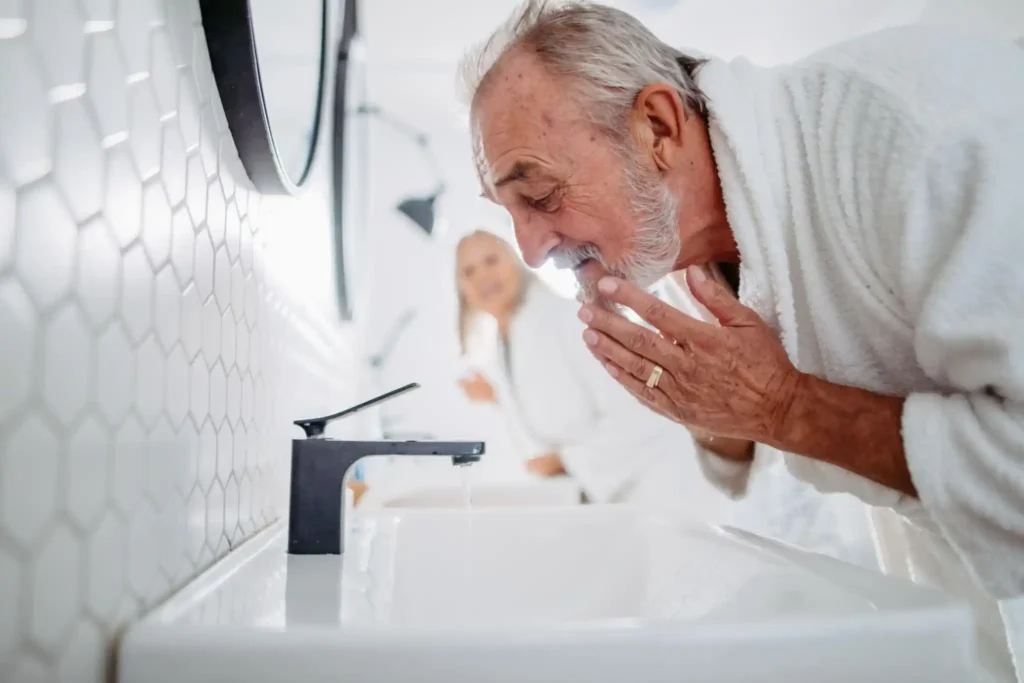
“Old people smell” isn’t a medical diagnosis or an official name for one particular odor.
It’s a casual phrase people use to describe a distinctive scent that can sometimes become noticeable as people get older. Depending on the person, people may describe it as musty, grassy, greasy, dusty, or slightly stale.
And here’s the part that surprises many people:
It isn’t necessarily a sign that someone is dirty.
Research has identified a compound called 2-nonenal as one contributor to age-related changes in human body odor. In a 2001 study, researchers found 2-nonenal in older subjects and linked its presence with changes in skin-surface lipids that occur with aging.
More recent scientific reviews continue to discuss 2-nonenal and other volatile compounds as contributors to changes in body odor associated with aging.
So when someone notices a different scent as a person gets older, there can be a genuine biological explanation behind it.
But there’s an important distinction.
“Old people smell” doesn’t mean every older adult smells the same.
Body odor varies from person to person, and factors such as hygiene, clothing, environment, medications, diet, health, and personal products can influence what someone smells like.
That’s why it’s better to think of age-related odor as a change in body chemistry, rather than simply a cleanliness problem.
2. Why Does This Smell Develop With Age?
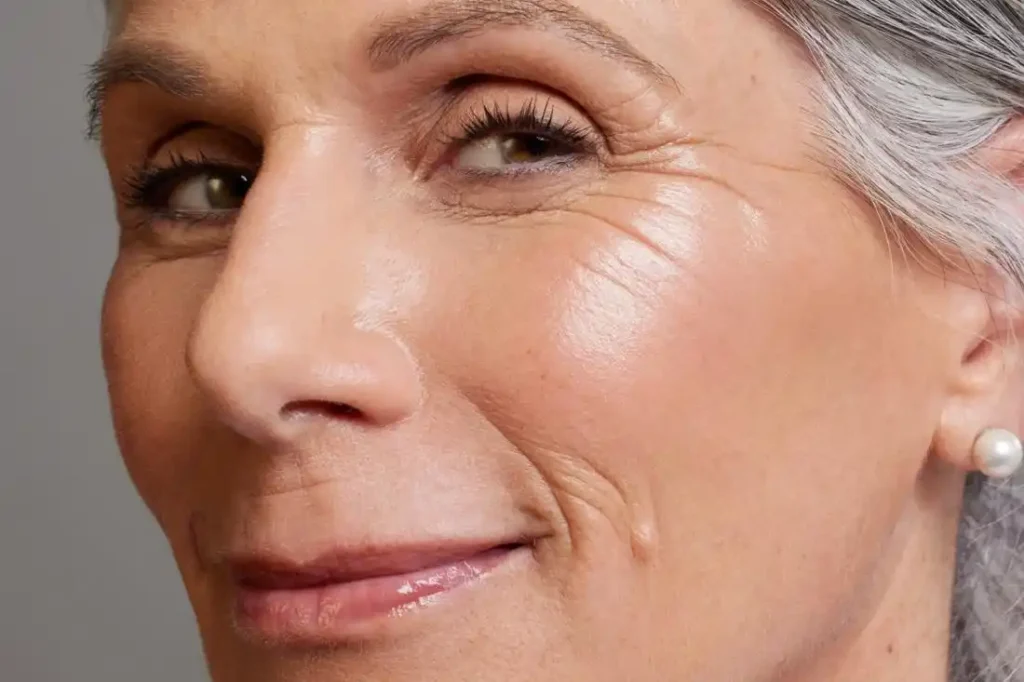
The science behind age-related odor is actually fascinating.
As we age, the composition of the lipids on the surface of the skin can change. One of the compounds researchers have studied is 2-nonenal, which can form when certain unsaturated fatty acids in skin surface lipids undergo oxidative breakdown.
In simpler terms, think of it as a chemical change happening on the surface of the skin over time.
The skin contains various fats and oils that help maintain its protective barrier. As those substances undergo changes, some odor-producing compounds can be generated.
One of those compounds is 2-nonenal.
Researchers have described its odor as having greasy or grassy characteristics, which helps explain why people sometimes describe age-related odor as “musty” or “dusty.”
And because the process is related to changes in skin chemistry, simply taking an extra shower doesn’t necessarily mean the underlying process disappears completely.
That doesn’t mean hygiene doesn’t matter.
It means hygiene and age-related body chemistry are two different things.
This distinction is important because someone can maintain excellent personal hygiene and still notice changes in their natural body scent as they age. UCLA Health likewise notes that the compound associated with this odor is not simply a consequence of poor hygiene.
Pro Tip
If you’re trying to reduce an age-related odor, don’t focus only on covering it with perfume or cologne. Think about the entire environment instead—skin, clothing, bedding, towels, and frequently used fabrics can all contribute to the scent you notice around a person.
3. “Old People Smell” Doesn’t Automatically Mean Poor Hygiene

This may be the most important thing to understand about the topic.
When people hear the phrase “old people smell,” they sometimes immediately assume that the person isn’t bathing enough.
That’s not necessarily true.
Age-related changes in skin chemistry can happen even when someone has good personal hygiene. UCLA Health specifically explains that the odor associated with 2-nonenol isn’t caused simply by being unclean.
Imagine someone who showers regularly, wears clean clothes, changes their bedding, and takes good care of their skin.
They can still experience changes in their natural body odor.
That’s because washing removes sweat, dirt, bacteria, and many substances sitting on the skin—but it doesn’t completely stop the biological processes that produce the skin’s natural oils and odor compounds.
At the same time, hygiene can still make a noticeable difference.
Sweat, bacteria, dirty clothing, infrequently washed bedding, oral health problems, or other sources of odor can exist alongside age-related changes. So assuming “it’s just aging” can be just as inaccurate as assuming “they must be dirty.”
The reality is usually more nuanced.
4. Where Can the Odor Come From—and Why Can It Seem to Linger?

Sometimes the smell you’re noticing isn’t coming entirely from the person’s skin.
Clothing, towels, bedding, blankets, upholstered furniture, and other frequently used fabrics can hold onto body odors over time.
That can make a scent seem much stronger than it actually is on the skin.
Think about a favorite sweater that gets worn repeatedly.
Even if the person is clean, natural skin oils and other odor-producing substances can accumulate in fabric. Bedding can do the same thing because it remains in close contact with the body for hours at a time.
This is one reason that simply changing a person’s soap may not solve the entire problem.
If the clothing and bedding continue holding onto odors, the scent can return quickly.
And there’s another interesting detail: our surroundings influence how we perceive smells.
A room can have its own combination of laundry products, furniture, cooking smells, medications, personal-care products, and other household scents. These can mix with a person’s natural body odor and create something that seems much more noticeable.
So if you’re trying to figure out where an odor is coming from, don’t immediately blame the person.
Look at the whole environment.
| ❌ Myth | ✅ Fact |
|---|---|
| “Old people smell” simply means someone doesn’t bathe. | Age-related changes in skin chemistry can contribute to body odor even when a person maintains good hygiene. (UCLA Health) |
| 2-nonenal is just sweat. | 2-nonenal is an odor compound associated with oxidative changes involving skin-surface lipids. (PubMed) |
| Every older person develops the same smell. | Body odor varies considerably between individuals, and aging is only one factor that can influence it. |
| Taking more showers will completely stop age-related odor. | Hygiene can reduce many sources of odor, but it doesn’t necessarily eliminate biological changes in skin chemistry. |
| The smell must always come directly from the person’s body. | Clothing, bedding, towels, furniture, and other environmental sources can also hold or contribute to odors. |
5. How to Reduce the Odor From Skin

Now we get to the part most readers are really looking for: what can you actually do about it?
The first step is still good basic hygiene. Regular bathing can help remove sweat, bacteria, skin oils, and other substances that can contribute to body odor. Mayo Clinic recommends regular washing as one of the basic self-care measures for body odor.
But more washing isn’t always better.
If the skin becomes excessively dry or irritated, aggressive scrubbing can make everyday skin care less comfortable. A gentle, consistent routine is usually more practical than trying to scrub away every trace of natural body odor.
Pay particular attention to areas where sweat, moisture, or skin oils can accumulate.
After bathing, drying thoroughly is also important. Clean, dry skin can make it easier to manage ordinary sources of odor.
And remember the point we discussed earlier: age-related odor isn’t necessarily caused by poor hygiene. The goal isn’t to make someone smell like perfume. It’s to reduce unnecessary odor while keeping the skin comfortable and healthy.
6. Don’t Forget Clothes, Towels, and Bedding

This is one of the easiest parts of the problem to overlook.
A person can shower, put on a clean shirt, and still notice an odor coming back surprisingly quickly if frequently used fabrics are holding onto it.
UCLA Health notes that 2-nonenol is not water-soluble and can become embedded in fabrics, which is one reason washing clothing and bedding can be helpful when dealing with this type of odor.
Think about the fabrics that spend the most time against the body:
shirts, pajamas, towels, sheets, blankets, robes, and frequently worn sweaters.
These deserve attention just as much as the skin does.
Wash clothes regularly rather than repeatedly wearing the same items, and pay special attention to bedding because it remains in close contact with the body for many hours.
If ordinary laundry doesn’t seem to remove a persistent greasy or musty smell, a detergent designed to deal with grease and odors may be more useful than simply adding stronger fragrance.
The goal isn’t to cover the smell with perfume.
It’s to remove the source from the fabric.
7. Keep the Bedroom and Living Space Well Ventilated

Sometimes the smell seems stronger because it has accumulated in the surrounding air.
A bedroom with closed windows, upholstered furniture, blankets, clothing, and other fabrics can hold onto odors for much longer than a well-ventilated room.
UCLA Health specifically recommends keeping rooms well ventilated to help diminish the scent of compounds that have become airborne.
That doesn’t mean you need to keep every window open all day.
Even regularly airing out a room can help refresh the environment.
You can also look at the places where odors naturally accumulate:
- Closets
- Laundry baskets
- Bedding
- Upholstered chairs
- Curtains
- Carpets
- Blankets
- Frequently worn jackets
If the room smells musty even when nobody is in it, the source may be environmental rather than coming directly from a person’s skin.
That’s an important distinction.
Sometimes what appears to be a body odor problem is actually a fabric or room problem.
Don’t Try to Cover the Smell With Strong Fragrances
When people notice an unpleasant smell, their first instinct may be to reach for stronger perfume, cologne, air fresheners, or scented laundry products.
That can temporarily mask an odor, but it doesn’t necessarily address where the smell is coming from.
And combining several strong fragrances can sometimes create an even more noticeable mixture.
A better approach is to work through the sources one by one.
Clean the skin.
Wash the fabrics.
Air out the room.
Keep clothing fresh.
Then see what’s actually left.
This also makes it easier to figure out whether the smell is truly coming from age-related skin chemistry or whether another source is involved.
If someone has sensitive skin, it can also be sensible to avoid unnecessarily harsh or heavily fragranced products and choose products that they tolerate well.
When a New Body Odor Should Be Checked by a Doctor
Not every unusual smell is simply part of getting older.
This is particularly important when the odor is new, sudden, unusually strong, or accompanied by other changes.
Mayo Clinic recommends speaking with a healthcare professional if body odor changes for no clear reason. Certain health conditions, medications, hormonal changes, and other factors can affect sweating and body odor.
For example, if someone suddenly develops a very different odor while also experiencing other unexplained symptoms, it makes sense to look beyond the assumption that they’re simply getting older.
Dental problems can also contribute to unpleasant odors, while changes in the ability to smell can affect how a person perceives their own body odor. Age-related changes in the sense of smell are common, but sudden or significant changes can have other causes and may warrant evaluation.
And there’s another reason someone may not notice their own smell.
Our brains naturally adapt to familiar odors. After being around the same scent for a while, we become less aware of it.
So someone may genuinely have no idea that their natural scent has changed.
That isn’t necessarily denial or poor hygiene.
It’s normal sensory adaptation. UCLA Health explains that this filtering of familiar smells can happen because the brain becomes less responsive to information it encounters repeatedly.
A Simple Routine to Keep Age-Related Odor Under Control
You don’t need an elaborate routine to manage ordinary age-related body odor.
A consistent approach is usually much more useful.
Daily
Keep up with regular bathing and personal hygiene.
Pay attention to areas where sweat, oils, or moisture commonly accumulate, and dry the skin thoroughly afterward.
Wear fresh clothes.
Especially change clothing that has been worn repeatedly or has absorbed noticeable odor.
Regularly
Wash towels and bedding.
These fabrics remain close to the body and can hold onto odor-producing compounds.
Air out bedrooms and living spaces.
Fresh airflow can help reduce odors lingering in the surrounding environment.
Clean frequently used fabrics.
Don’t forget blankets, robes, jackets, upholstered furniture, and other materials that may accumulate body oils over time.
Pay attention to changes
If the odor suddenly changes without an obvious reason, or if it comes with other unexplained symptoms, don’t automatically blame aging.
A healthcare professional can help determine whether there’s another cause.
The biggest takeaway is that “old people smell” isn’t simply a matter of being clean or dirty.
Age-related changes in skin chemistry can contribute to a distinct scent, and compounds such as 2-nonenal have been studied as part of that process. At the same time, clothing, bedding, room ventilation, hygiene, medications, health conditions, and many other factors can influence the overall smell a person notices.
So the best solution isn’t to shame someone or try to hide the smell with heavy fragrance.
It’s to understand where it’s coming from and address the source gently and consistently.